
Digestant Herbs
Gu Ya (Fructus Oryzae Germinatus)

Naming
Dao Ya (Fructus Oryzae Germinatus)——Ming Yi Bie Lu (Miscellaneous Records of Famous physicians)
The Processing of Dao Ya
Origin
Germinant fruit of Oryza sativa L. of family Gramineae.
Location
All parts of south China.
The true smell and taste
No smell, slightly sweet.
Best quality
Even size, yellow, big without impurity.
Processing
After being cleaned, dipped in water for 4~6 hours, then fished out, kept in suitable temperature and humidity until plumule growing to 1.0 cm, then dried in the sun, unprocessed or stir-baked.
The Effect of Dao Ya
Property
Sweet, warm, spleen and stomach meridians entered.
Actions
Promote digestion and harmonize middle energizer, invigorate spleen and increase appetite.
Indications
Its actions are similar to but milder than Mai Ya, so they are usually used in combination to reinforce each other's actions for starch food stagnation syndrome and spleen deficiency syndrome manifested as poor appetite and indigestion, etc. For poor appetite based on spleen deficiency, it is combined with qi-moving and spleen-invigorating herbs. For instance it is combined with Sha Ren and Bai Zhu in Gu Shen Wan from Zhan Liao Fang.
Dosage and Administrations
Decoct 9~15 g. The raw one is a bit on the side of harmonizing middle energizer; the stir-baked one, promoting digestion.
Sources and further reading
We cite classical materia medica and modern reference works. This article is health education, not medical advice.
- Shennong Bencao Jing (The Divine Farmer's Materia Medica), Han dynasty.
- Bencao Gangmu (Compendium of Materia Medica), Li Shizhen, 1578.
- Chinese Pharmacopoeia, current edition — identity, quality and safety monographs.
- NCCIH and WHO reference material on traditional medicine safety.
Spotted an error or a better source? Tell us — corrections are logged on our editorial policy page.
Did this article help you?
Your answer shapes what gets rewritten next.
Keep readingRelated entries
 Malt (Fructus Hordei Germinatus)
Mai Ya: promote digestion and invigorate spleen, stop lactation and release distension.
 Red Yeast Rice: Chinese Herb Guide
Red Yeast Rice: activate blood and resolve blood stasis, tonify the spleen and promote digestion.
Gu Ya (Rice-grain Sprout)
Gu Ya (Rice-grain Sprout): promote digestion and harmonize middle burner, invigorate spleen and increase appetite.
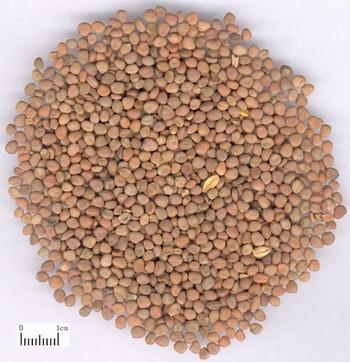 Lai Fu Zi: Chinese Herb Guide
Lai Fu Zi: promote digestion and relieve distension, direct qi downward and resolve phlegm.
Something this article did not cover?
Ask us directly. We reply within two days, and good questions become public articles.
Ask a question →