
Browse by topic
Emetics
Emetics: Chinese herbs in this class — their actions in TCM, typical uses, preparation and safety cautions.
-
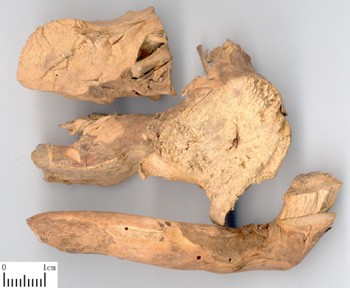 Shu Qi Gen (Antifeverile Dichroa Root)
Antifeverile Dichroa Root, Chang Shan, Radix Dichroae
Chang Shan (Radix Dichroae). The root of the deciduous undershrub Dichroa febrifuga Lour. of the family saxifrage
-
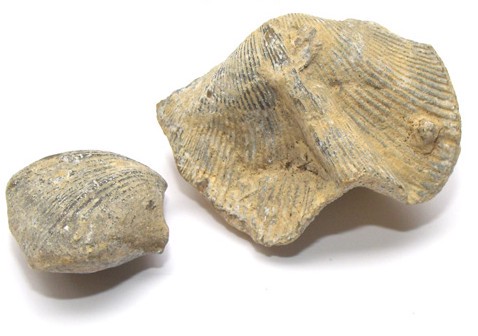 Fossilia Spiriferis (Spirifer’s fossil shell)
Spirifer’s fossil shell, 石燕, Shi Yan, 食盐
Shi Yan (Spirifer’s fossil shell) Salty, cool; kidney and bladder channels. Actions Clear damp-heat, promote diuresis and remove nebula
-
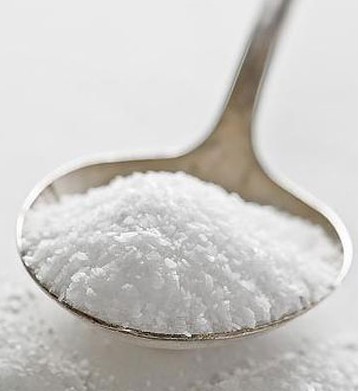 Salt: Chinese Herb Guide
食盐,盐,咸鹾,Yan,食鹽,鹽,鹹鹺
Shi Yan (Salt) is cold and enters the stomach, kidney, small intestine and large intestine meridians. It clears fire, induces vomiting, cools the blood and.
- E Xue (鹅血): Chinese Herb Guide 鹅血 E Xie (Goose Blood) Salt, neutral; heart, liver and stomach channels. Actions Remove toxicity, eliminate hardness
-
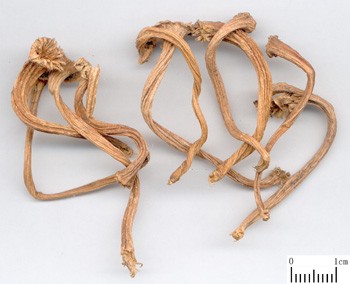 Gua Di: Chinese Herb Guide
瓜蒂, Muskmelon Pedicel
Gua Di (Muskmelon Pedicel). The dried pedicel of the annual herbaceous trailing plant Cucumis melo L
-
Gua Di (Muskmelon Pedicel)
Gua Di ,瓜蒂,Muskmelon Base,Tian Gua Di,甜瓜蒂,Pedicellus Melo
Gua Di, the dried pedicel of the muskmelon, is used in TCM for vomiting and other stomach disorders.
-
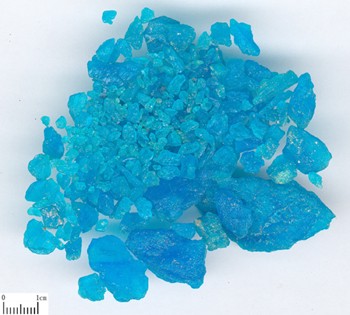 Dan Fan: Chinese Herb Guide
Chalcanthitum,Chalcanthite,胆矾,膽礬
Dan Fan: induce vomiting, remove toxicity and dry dampness, corrode to eliminate putridity.
-
Chalcanthite: Chinese Herb Guide
Dan Fan
Induce vomiting, remove toxicity and dry dampness, corrode to eliminate putridity. Bitter, astringent, cold; toxic; liver, stomach, spleen, and gallbaldder me