
Emetics
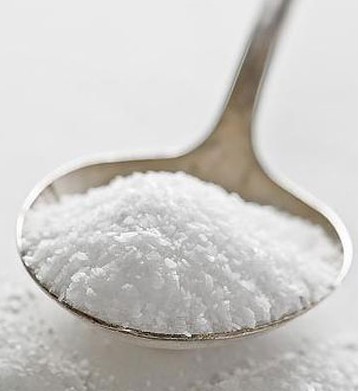
Salt: Chinese Herb Guide
Name
Shi Yan (Salt)
Nature and action
Salt, cold. It enters the stomach, kidney, small intestine and large intestine meridians.
It clears fire, induces vomiting, cools the blood and removes toxicity.
Indications
- Abdominal distension
- Constipation
- Difficult urination
- Toothache
- Clouding of the eye
- Sores and boils
- Insect bites
- Indigestion
- Laryngalgia
- Gingival bleeding
Dosage and administration
Melted in boiling water, 1~3 g. A proper dose is used for external application: stir-fry it and apply to the affected area, or melt it in water for washing and for use as eye drops.
Cautions
Contraindicated in cases of edema. Do not take too much.
Sources and further reading
We cite classical materia medica and modern reference works. This article is health education, not medical advice.
- Shennong Bencao Jing (The Divine Farmer's Materia Medica), Han dynasty.
- Bencao Gangmu (Compendium of Materia Medica), Li Shizhen, 1578.
- Chinese Pharmacopoeia, current edition — identity, quality and safety monographs.
- NCCIH and WHO reference material on traditional medicine safety.
Spotted an error or a better source? Tell us — corrections are logged on our editorial policy page.
Did this article help you?
Your answer shapes what gets rewritten next.
Keep readingRelated entries
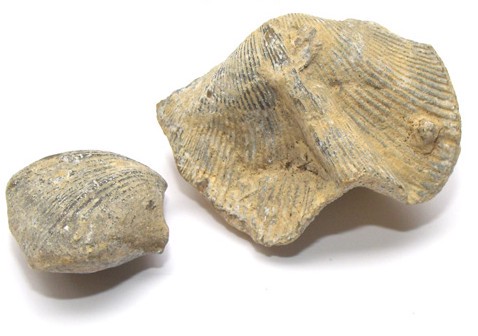 Fossilia Spiriferis (Spirifer’s fossil shell)
Shi Yan (Spirifer’s fossil shell) Salty, cool; kidney and bladder channels. Actions Clear damp-heat, promote diuresis and remove nebula
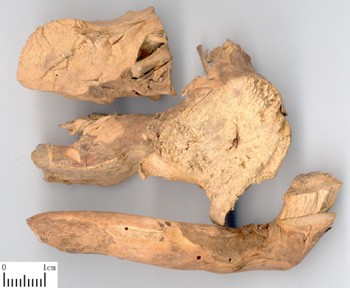 Shu Qi Gen (Antifeverile Dichroa Root)
Chang Shan (Radix Dichroae). The root of the deciduous undershrub Dichroa febrifuga Lour. of the family saxifrage
E Xue (鹅血): Chinese Herb Guide
E Xie (Goose Blood) Salt, neutral; heart, liver and stomach channels. Actions Remove toxicity, eliminate hardness
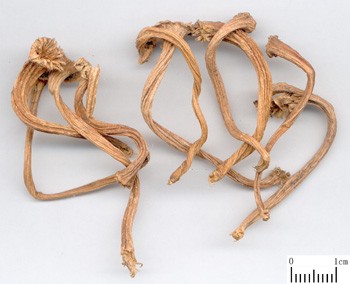 Gua Di: Chinese Herb Guide
Gua Di (Muskmelon Pedicel). The dried pedicel of the annual herbaceous trailing plant Cucumis melo L
Something this article did not cover?
Ask us directly. We reply within two days, and good questions become public articles.
Ask a question →