
Wind-Cold-Dispersing Herbs
Cong Bai (Bulbus Allii Fistulosi)

Name
Cong Bai (Fistular Onion Stalk)
The Effect of Fistular Onion Stalk
Property
Pungent, warm; lung and stomach meridians entered.
Actions
Dispel wind-cold, and invigorate yang.
Indications
For common cold due to wind-cold, exuberant yin with repelled yang, abdominal pain due to cold accumulation, and difficulty in urination.
Dosage and Administrations
Decoct 3~10 g. It should be used with proper dosage for external application.
This entry follows the standard reference format. How to read a TCM entry explains what each heading means and how the terminology works. Not medically reviewed and not medical advice — see the medical disclaimer.
Sources and further reading
We cite classical materia medica and modern reference works. This article is health education, not medical advice.
- Shennong Bencao Jing (The Divine Farmer's Materia Medica), Han dynasty.
- Bencao Gangmu (Compendium of Materia Medica), Li Shizhen, 1578.
- Chinese Pharmacopoeia, current edition — identity, quality and safety monographs.
- NCCIH and WHO reference material on traditional medicine safety.
Spotted an error or a better source? Tell us — corrections are logged on our editorial policy page.
Did this article help you?
Your answer shapes what gets rewritten next.
Keep readingRelated entries
 Cong Xu (Radix Allii Fistulosi Fibrosa)
Fibrous Root of Fistular Onion: dispel wind-cold, remove toxicity, disperse stasis.
 Gao Ben (Chinese Ligusticum Rhizome)
Gao Ben (Radices Ligustici Sinensis) Acrid, warm; lung channel. Actions Dispel wind-cold, relieve damp and alleviate pain
 Cong Ye (Folium Allii Fistulosi)
Fistular Onion Leaf: expel wind and induce sweating, remove toxicity and resolve swelling.
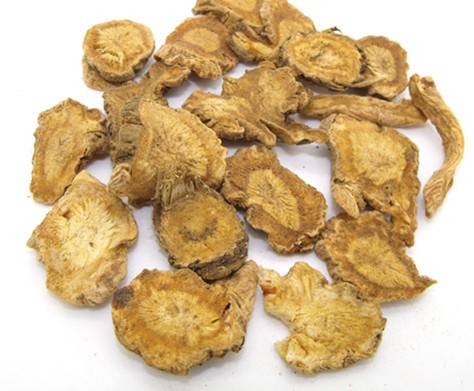 Fang Feng (Siler Root)
Fang Feng (siler root, Radix Saposhnikoviae ), recorded in the Shennong Bencao Jing
Something this article did not cover?
Ask us directly. We reply within two days, and good questions become public articles.
Ask a question →