
Putridity-Resolving and Wound-Healing Herbs
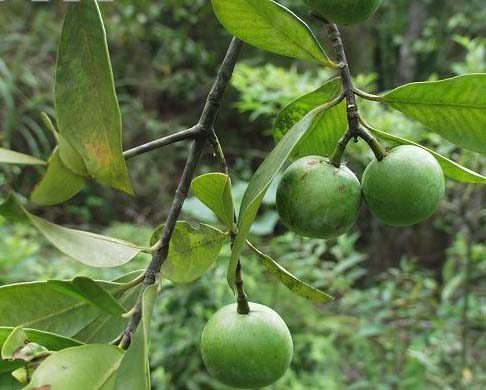
Mu Zhu Zi (Oblongleaf garcinia fruit and bark)
Name
Mu Zhu Zi (Oblongleaf garcinia fruit and bark)
Sources
The drug is the root bark, fruit or seed of Garcinia oblongifolia Champ. (Family Guttiferae), growing in damp and fertile mountainous forest, distributed in Guangdong, Hainan and Guangxi provinces.
The Effect of Fructus et Cortex Garciniae Oblongifoliae
Actions
The stem bark is used as anti-inflammatory agent and hemostatic agent, for the treatment of gastritis, peptic ulcer, eczema, stomatitis, periodontitis, ulcers of lower limb and scalds.
Fruit is used to relieve sunstroke and alcoholism, to astring and promote tissue regeneration, for the treatment of abdominal distension due to retention of food, proctoptosis.
Seed is used as antiinflammatory agent and analgesic, for the treatment of burns, scalds, eczema, stomatitis periodontitis, carbuncles.
Sources and further reading
We cite classical materia medica and modern reference works. This article is health education, not medical advice.
- Shennong Bencao Jing (The Divine Farmer's Materia Medica), Han dynasty.
- Bencao Gangmu (Compendium of Materia Medica), Li Shizhen, 1578.
- Chinese Pharmacopoeia, current edition — identity, quality and safety monographs.
- NCCIH and WHO reference material on traditional medicine safety.
Spotted an error or a better source? Tell us — corrections are logged on our editorial policy page.
Did this article help you?
Your answer shapes what gets rewritten next.
Keep readingRelated entries
 Peng Sha: Chinese Herb Guide
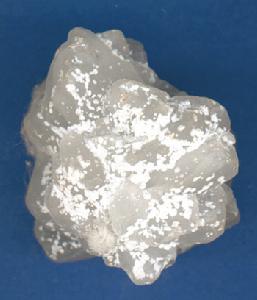
Peng Sha: clear heat and remove toxicity for external application, clear lung and resolve phlegm for internal application.
 Calamina: Chinese Herb Guide
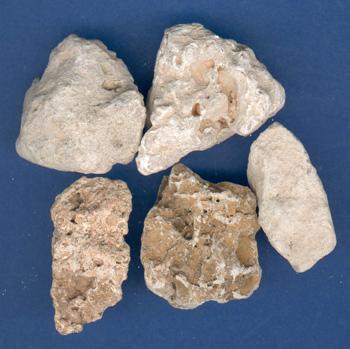
Lu Gan Shi (Calamina) — Wai Dan Ben Cao (Materia Medica of Vermilion Pill) The smithsonite of carbonate mineral, mainly containing ZnCO3
 Feng Jiao: Chinese Herb Guide
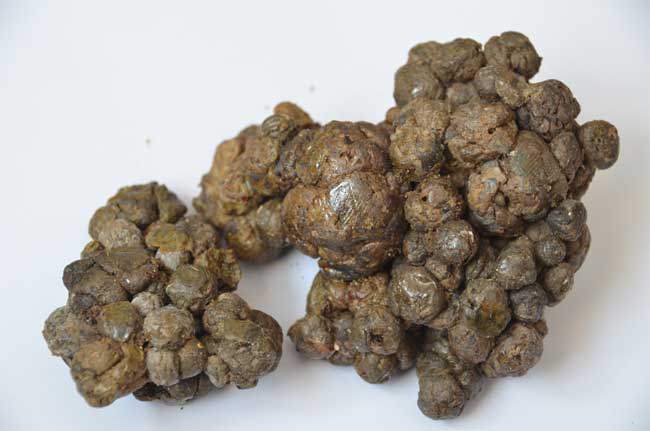
Feng Jiao: strengthen the body, relieve consumptive thirst, eliminate blood-fat; remove toxicity and resolve swelling, astringe to promote tissue regeneration for external application.
Propolis: Chinese Herb Guide
Feng Jiao (Propolis) Bitter, pungent, cold; spleen and stomach channels
Something this article did not cover?
Ask us directly. We reply within two days, and good questions become public articles.
Ask a question →