
Blood Tonics
Shou Wu (Tuber Fleeceflower Root)
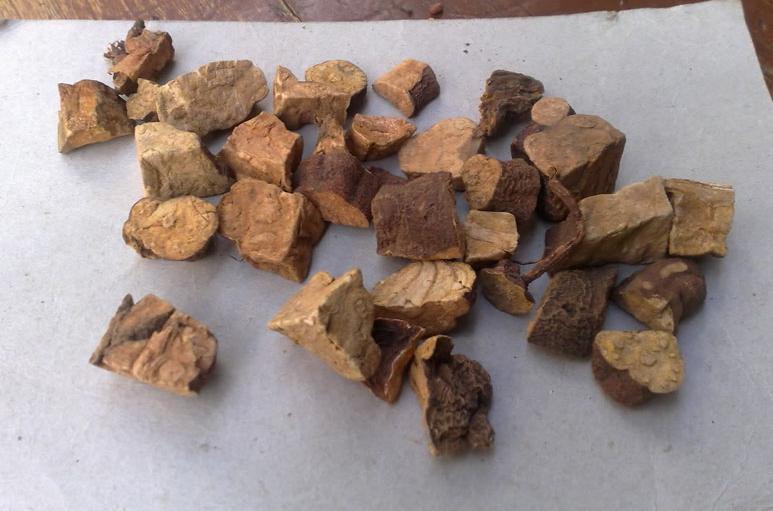
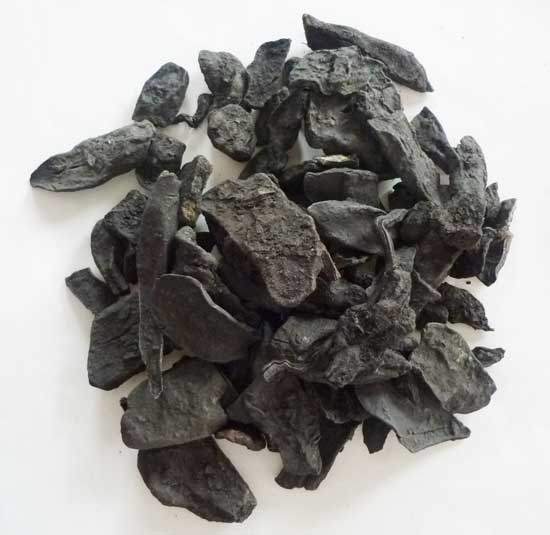
Name
He Shou Wu (Radix Polygoni Multiflori), from Kai Bao Ben Cao (Materia Medica of the Kai-Bao Reign)
Source and quality
The root tuber of the perennial twining plant Polygonum multiflorum Thunb. of the family Knotweed. It is produced in the Henan, Hubei and Guangxi provinces of China, and is plucked in late autumn.
It has a slight odor and is slightly bitter, sweet and astringent. The best grade is heavy and firm, and rich in powder. It is used unprocessed or steamed.
Nature and action
Bitter, sweet and astringent, and slightly warm. It enters the kidney and liver meridians.
It tonifies blood, supplements essence, checks malaria, relieves toxicity, and moistens the intestines.
Indications
Blood and essence deficiency syndrome
Being mild in nature, neither dry nor greasy, and having the actions of tonifying blood and supplementing essence, it is a good tonic. For blood and essence deficiency with vertigo and tinnitus, soreness and flaccidity of the lumbar region and knees, and premature graying of the beard and hair, it is combined with other herbs that nourish the liver and kidney and tonify blood and essence, such as Gou Qi Zi, Tu Si Zi and Dang Gui in Qibao Meiran Dan from Ji Shan Tang Jing Yan Fang (Experiential Prescriptions from the Jishan Clinic).
Chronic malaria
It is especially indicated for chronic malaria of both the qi and blood deficiency type, because both raw and stir-baked He Shou Wu can check malaria. Furthermore, it can tonify blood to improve the deficiency: Ren Shen and Dang Gui in He Ren Yin from Jing Yue Quan Shu.
Ulcers and tuberculosis
Raw Shou Wu is indicated for ulcers and tuberculosis, because it can relieve toxicity and dissipate nodulation; in addition, it also relieves itching.
- For swelling and pain due to ulcers, it is usually combined with herbs that eliminate phlegm and herbs that clear heat-toxin, such as Jin Yin Hua, Lian Qiao and Ku Shen in He Shou Wu Tang from Yang Yi Da Quan (A Complete Handbook on Traumato-Orthopedics).
- For tuberculosis, it is usually combined with herbs that eliminate phlegm, relieve toxicity and dissipate nodulation, such as Xia Ku Cao and Chuan Bei Mu from Ben Cao Hui Yan (Supplement Materia Medica).
- For swelling, itching and pain due to ulcers, it is usually combined with herbs that clear heat, dry dampness, disperse wind and relieve itching, such as Ku Shen, Fang Feng and Bo He in He Shou Wu San from Wai Ke Jin Yi (Essence Argument of External Medicine).
Constipation due to intestinal dryness
Sheng Shou Wu can smooth the stool by moistening the intestines and tonifying deficiency. For constipation due to blood deficiency with intestinal dryness, it can be used on its own or combined with herbs that nourish blood and smooth the stool, such as Huo Ma Ren and Dang Gui.
Dosage and administration
Decoct 10~30 g. Stir-baked for tonifying blood and essence; the raw herb for checking malaria, relieving toxicity, moistening the intestines and smoothing the stool.
Cautions
Stir-baked Shou Wu is contraindicated in accumulated damp-phlegm, because of its astringent nature and its strongly tonifying action. Raw He Shou Wu is contraindicated in loose stool, because it can smooth the stool.
Sources and further reading
We cite classical materia medica and modern reference works. This article is health education, not medical advice.
- Shennong Bencao Jing (The Divine Farmer's Materia Medica), Han dynasty.
- Bencao Gangmu (Compendium of Materia Medica), Li Shizhen, 1578.
- Chinese Pharmacopoeia, current edition — identity, quality and safety monographs.
- NCCIH and WHO reference material on traditional medicine safety.
Spotted an error or a better source? Tell us — corrections are logged on our editorial policy page.
Did this article help you?
Your answer shapes what gets rewritten next.
Keep readingRelated entries
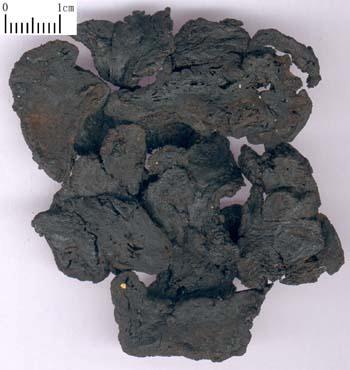 Shu Di Huang: Chinese Herb Guide
Shu Di Huang (Radix Rehmanniae Preparata) tonifies blood, nourishes the yin of the liver and kidney and supplements essence. Use with caution in spleen and.
Shu Di (Radix Rehmanniae Preparata)
Shu Di Huang: tonify blood, nourish yin of liver and kidney, supplement essence.
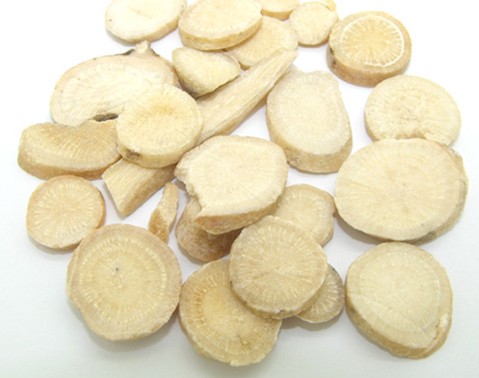 Bai Shao: Chinese Herb Guide
Bai Shao: tonify blood, astringe yin to check sweating, emolliate liver to alleviate pain, calm and suppress liver yang.
Bai Shao (White Paeony Root)
Bai Shao (White Paeony Root) tonifies blood, astringes yin and checks sweating, emollients the liver and relieves pain, and calms and suppresses liver yang..
Something this article did not cover?
Ask us directly. We reply within two days, and good questions become public articles.
Ask a question →