
Blood Tonics
Shu Di (Radix Rehmanniae Preparata)
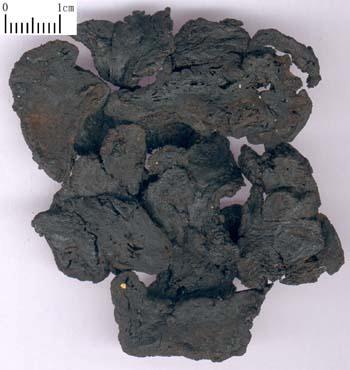
Naming
Shu Di Huang (Radix Rehmanniae Preparata)——Bai Hua She She Cao (Herba Oldenlandiae)
The Processing of Shu Di Huang
Origin
The root of the herbaceous plants Rehmannia glutinosa Libosch of family Figwort, steamed and dried in the sun.
Location
Henan and Zhejiang provinces in China.
Harvest
Plucked in late autumn.
Best quality
Bright black, soft and moist, strong sweet in flavor.
Processing
Baked or dried in the sun, then mixed with millet wine, steamed to black, taken out ro dry in the sun, sliced.
The Effect of Shu Di Huang
Property
Sweet, slightly warm; kidney and liver meridians entered.
Actions
Tonify blood, nourish yin of liver and kidney, supplement essence.
Indications
A. Blood deficiency syndrome
Being with the action of tonifying blood, it is an important blood tonic and widely indicated for various blood deficiency syndromes, especially for both essence (yin) and blood insufficiency. It is combined with Dang Gui in mutual reinforcement. For sallow complexion, vertigo, palpitation and irregular menstruation, it is combined with Dang Gui, Chuan Xiong, and Bai Shao in the formula Si Wu Tang from Tai Ping Hui Min He Ji Ju Fang. For qi and blood deficiency, mental fatigue, lusterless complexion, it is usually combined with qi tonics. For instance, it is used with Ren Shen in Liang Yi Gao from Jing Yue Quan Shu.
B. Deficiency of liver-kidney yin
Being with action of nourishing yin of liver and kidney, especially skilled in nourishing kidney yin, it is known as the key herb for treating syndrome of kidney yin deficiency. For soreness and limpness in lumbar and knees, tinnitus, deafness, red tongue with little coating due to liver and kidney yin deficiency, or bone-steaming, tidal fever, hot sensation in palms due to effulgent fire caused by yin deficiency, it is usually combined with kidney-yin-nourishing and heat-clearing herbs, for instance, it is used with Shan Zhu Yu, Ze Xie in Liu Wei Di Huang Wan from Xiao Er Yao Zheng Zhi Jue.
C. Syndrome of both essence and blood deficiency
It can nourish essence ancl blood. For soreness and limpness of lumbar and knees, early white of beard and hair, hypoevolutism of infants and children due to deficiency of both essence and blood, it is usually combined wirh kidney-yin-nourishing and essence-supplementing herbs, for instance, such as He Shou Wu, and Tu Si Zi.
Dosage and Administrations
Decoct 10~30 g.
Cautions
It should be used with cautions for spleen and stomach deficiency, loose stool due to fullness in abdomen and qi stagnation with excessive phlegm because it is greasy and will produce indigestion.
Sources and further reading
We cite classical materia medica and modern reference works. This article is health education, not medical advice.
- Shennong Bencao Jing (The Divine Farmer's Materia Medica), Han dynasty.
- Bencao Gangmu (Compendium of Materia Medica), Li Shizhen, 1578.
- Chinese Pharmacopoeia, current edition — identity, quality and safety monographs.
- NCCIH and WHO reference material on traditional medicine safety.
Spotted an error or a better source? Tell us — corrections are logged on our editorial policy page.
Did this article help you?
Your answer shapes what gets rewritten next.
Keep readingRelated entries
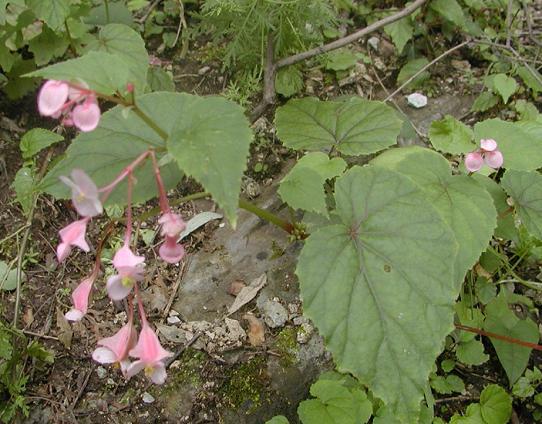 Yi Dian Xue (Wilson Begonia Rhizome)
 Sweet, bitter, slightly cold. Actions Tonify and nourish blood, dissipate stasis, alleviate pain
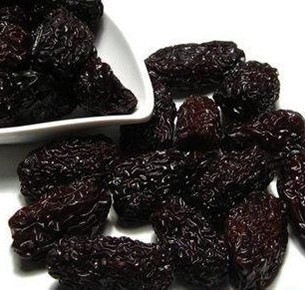 Black Date: Chinese Herb Guide
Hei Zao (Black Date) Sweet, warm; spleen and stomach channels. Actions Tonify the spleen and stomach, harmonize property of medicine
Shu Di Huang: Chinese Herb Guide
Shu Di Huang (Radix Rehmanniae Preparata) tonifies blood, nourishes the yin of the liver and kidney and supplements essence. Use with caution in spleen and.
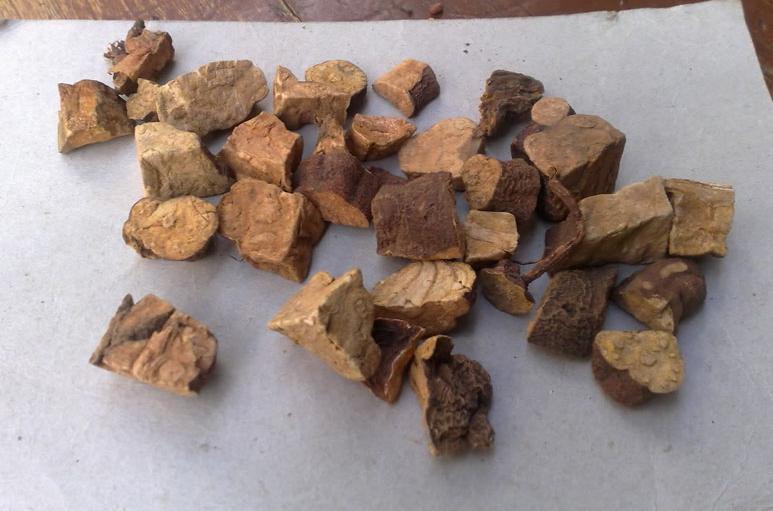 Shou Wu (Tuber Fleeceflower Root)
He Shou Wu (Tuber Fleeceflower Root) tonifies blood, supplements essence, checks malaria, relieves toxicity and moistens the intestines. Stir-baked for.
Something this article did not cover?
Ask us directly. We reply within two days, and good questions become public articles.
Ask a question →