
Laxatives
Ma Zi Ren (Hemp Fruit) in TCM
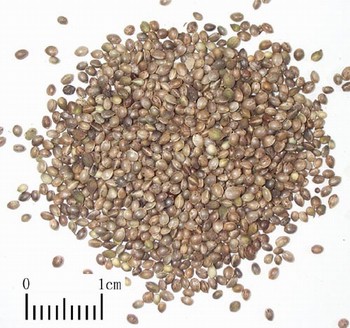
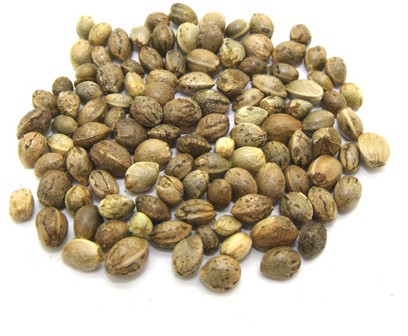
Naming
Huo Ma Ren (Semen Cannabis)——Shen Nong Ben Cao Jing (Shen Nong’s Herbal)
The Processing of Huo Ma Ren
Origin
The ripe fruit of Cannabis sativa L. of family Mulberry.
Location
All parts of China.
Harvest
Collected in autumn when ripening.
The actual smell and taste
Light smell and bland taste.
Best quality
Big granule and full kernel.
Processing
Smashed and unprocessed.
The Effect of Huo Ma Ren
Property
Sweet, mild; large intestine, spleen and stomach meridians entered.
Actions
Moisten intestines for relaxing bowels.
Indications
Constipation due to intestinal dryness
Because it is sweet, mild and moist in property, and rich in oil, it can moisten intestines for relaxing bowels, and has the combined effect of nourishing and tonifying as well. It is suitable for the old, puerpera, and the weak with insufficient blood and body fluid who suffer from constipation due to intestinal dryness. It works when either used singly or combined with other herbs of moistening intestines for relaxing bowels, such as Su Zi. For constipation due to fluid consumption accompanied with dryness-heat, it can be combined with heat-purging and bowels-relaxing, and qi-moving herbs, for instance, Da Huang and Hou Po, as in Ma Zi Ren Wan from Shang Han Lun.
Dosage and Administrations
Smash it and decoct 10~15 g. It is better to use it in pills, 2~3g each time.
Sources and further reading
We cite classical materia medica and modern reference works. This article is health education, not medical advice.
- Shennong Bencao Jing (The Divine Farmer's Materia Medica), Han dynasty.
- Bencao Gangmu (Compendium of Materia Medica), Li Shizhen, 1578.
- Chinese Pharmacopoeia, current edition — identity, quality and safety monographs.
- NCCIH and WHO reference material on traditional medicine safety.
Spotted an error or a better source? Tell us — corrections are logged on our editorial policy page.
Did this article help you?
Your answer shapes what gets rewritten next.
Keep readingRelated entries
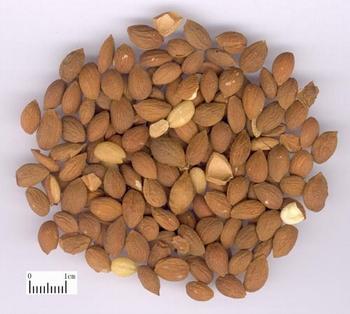 Yu Li Ren: Chinese Herb Guide
Yu Li Ren: moisten intestines for relaxing bowels, promote urination to ease edema.
Yu Li Ren (Dwarf Flowering Cherry Seed)
Yu Li Ren (Dwarf Flowering Cherry Seed): moisten intestines for relaxing bowels, promote urination to ease edema.
Yu Li Ren: Chinese Herb Guide
Yu Li Ren: moisten intestines for relaxing bowels, promote urination to ease edema.
Yu Li Ren (Dwarf Flowering Cherry Seed)
Yu Li Ren (Dwarf Flowering Cherry Seed): moisten intestines for relaxing bowels, promote urination to ease edema.
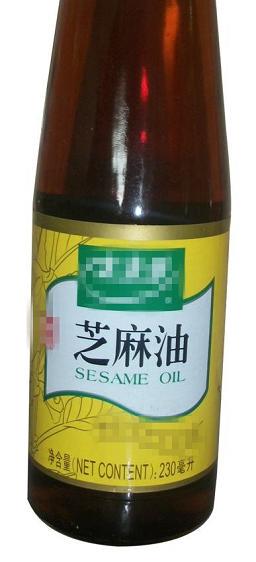 Ma You: Chinese Herb Guide
Ma You: remove toxicity, promote tissue regernation, moisten dryness and relax the bowel.
Ma You: Chinese Herb Guide
Ma You: remove toxicity, promote tissue regernation, moisten dryness and relax the bowel.
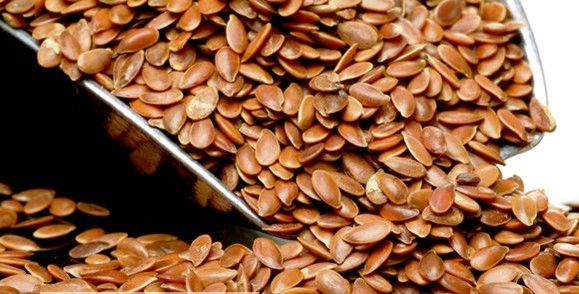 Da Hu Ma (Semen Lini) in TCM
Ya Ma Zi (Semen Lini) Sweet, neutral; lung, liver and large intestine channels
Da Hu Ma (Semen Lini) in TCM
Ya Ma Zi (Semen Lini) Sweet, neutral; lung, liver and large intestine channels
Something this article did not cover?
Ask us directly. We reply within two days, and good questions become public articles.
Ask a question →