
THERAPY
Li qi: TCM Therapy Guide
Li qi also known as Li gas, is one kind of evil gas of high infectivity in human body and belongs to pathological factors, which is different from the six climatic exopathogens. It is a substance naturally existed in nature and often attacks human body through noses and mouths.
The emerge and transmission are closely related to the climate, natural surroundings, food conditions and sanitation. This is often categorized into personal sickness as well as large scale of epidemic. The characteristics are rapidness, severity and high infectivity and quite easy to occur.
Common diseases are fulminant dysentery, diphtheria, infection with swollen head, cholera, smallpox and pestilence.
Sources and further reading
We cite classical materia medica and modern reference works. This article is health education, not medical advice.
- Shennong Bencao Jing (The Divine Farmer's Materia Medica), Han dynasty.
- Bencao Gangmu (Compendium of Materia Medica), Li Shizhen, 1578.
- Chinese Pharmacopoeia, current edition — identity, quality and safety monographs.
- NCCIH and WHO reference material on traditional medicine safety.
Spotted an error or a better source? Tell us — corrections are logged on our editorial policy page.
Did this article help you?
Your answer shapes what gets rewritten next.
Keep readingRelated entries
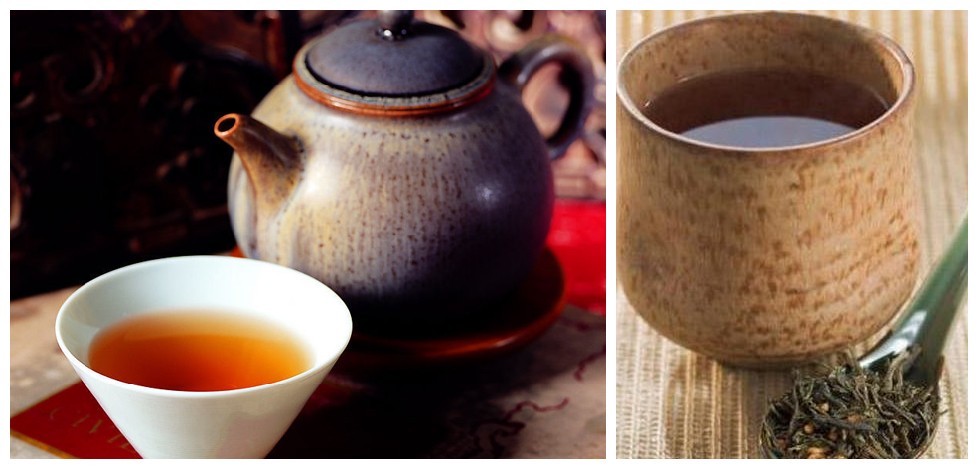 Herbal Tea: What It Is and What It Does
An introduction to herbal infusions, how they differ from true tea, and why they have become so popular.
 Medicinal liquor: TCM Therapy Guide
Medicated wine is a transparent medicated liquid obtained by using wine as a solvent to soak out the effective components of herbs.
 Tai Ji: TCM Therapy Guide
Black part in tai ji refers to yin, white pot in clack refers to yang within yin; while white stands for yang and black pot in white means yin within yang.
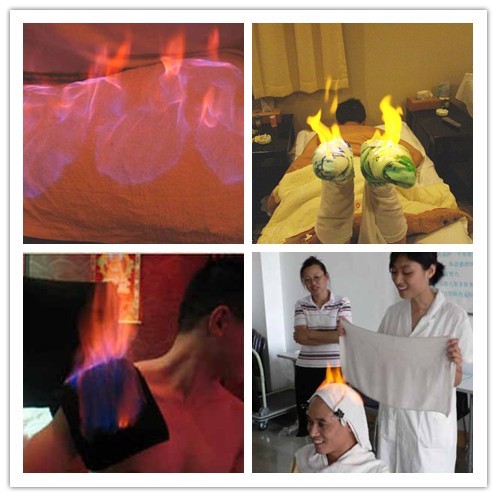 Huo Liao: TCM Therapy Guide
Cultural origin The antients could alleviate pain getting burned when heating foods, so they get themselves more burning on body initiatively for pain.
Something this article did not cover?
Ask us directly. We reply within two days, and good questions become public articles.
Ask a question →