
THERAPY
Tai Ji: TCM Therapy Guide
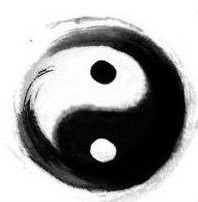
Black part in tai ji refers to yin, white pot in clack refers to yang within yin; while white stands for yang and black pot in white means yin within yang. The circle of tai ji refers to “one”, representing the universe and infinities.
Tai ji quan is one of the Chinese manly arts and the quintessence of a country. On May the 20th, tai ji quan was listed as one of the first tier intangible cultural heritage. Tai ji quan is regarded as one way to prolong life and remain healthy. Different kinds of changing and transmission are all expressed within tai ji quan. Move and still, fast and slow, up and down, ahead and forward, in sight and out of sight, are perfectly conveyed through tai ji. What you’ve thought and even the tiniest actions can be controlled by oneself.
Tai ji quan is also categorized as physical and also national competition program. The character of its movements is as continuous running water that tai ji was once called“chang quan”which represents long and successive.
Healthy Tai ji
Tai ji quan plays heart and body healthy and energetic at the same time and that’s why plenty of men treat it as daily routine. Tai ji brings people not only strong body but a delighted mood which stimulates the potential talent and insights. Tai ji in China is accordance with both Chinese and foreign medical theories and is amazing on its effects.
Morning exercise of Tai ji
Popularization of Tai ji within recent years is due to its curative effects of illness. Various researches from medical, physiological, biochemical, anatomy, psychological and mechanical domains have been implemented, proving that tai ji, have remarkable effects on preventing falling down, high blood pressure, heart disease, lungs illness, hepatitis, arthropathy, gastroenteropathy, neurasthenia, tracheitis and so on.
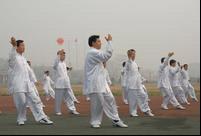
The only appropriate site for Tai ji exercise is a place of quiet and nature. And this makes the brain free and relaxed. Then he can remember the movements and gestures. With long time exercise, the practicers are able to follow the whole movements and concentrate on only one thing, which is good for brain. On other facets, Tai ji requires “QI cheng dan tian”which means using abdominal breath to increase air amount and depth, so as to accumulate blood circulation and improve body breathe functioning.
Current situation around the world
Simply in Beijing, hundreds of Tai ji quan instruction centers are widely established in places as parks, streets, stadiums and even more, which drives a great deal of fans. Departments as sanitation, education and sports launch Tai ji as important project and millions of books and magazines have been published.
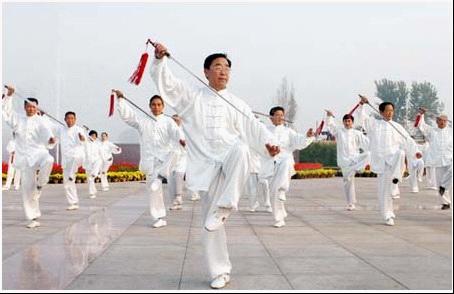
It is warmly welcomed in other regions such as:Europe, southeast Asia, Japan, etc. Many countries even opened up unions of Tai ji quan and communicated with China frequently.
Sources and further reading
We cite classical materia medica and modern reference works. This article is health education, not medical advice.
- Shennong Bencao Jing (The Divine Farmer's Materia Medica), Han dynasty.
- Bencao Gangmu (Compendium of Materia Medica), Li Shizhen, 1578.
- Chinese Pharmacopoeia, current edition — identity, quality and safety monographs.
- NCCIH and WHO reference material on traditional medicine safety.
Spotted an error or a better source? Tell us — corrections are logged on our editorial policy page.
Did this article help you?
Your answer shapes what gets rewritten next.
Keep readingRelated entries
 Herbal Tea: What It Is and What It Does
An introduction to herbal infusions, how they differ from true tea, and why they have become so popular.
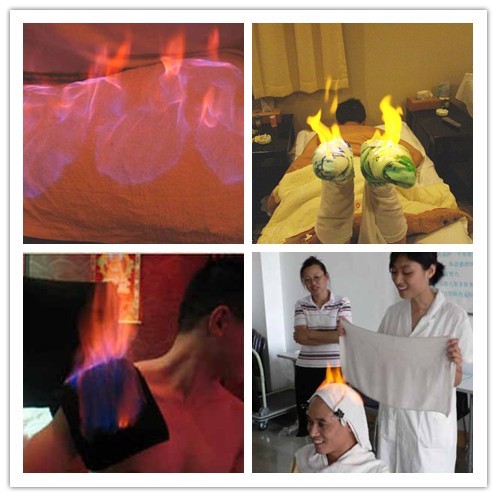 Huo Liao: TCM Therapy Guide
Cultural origin The antients could alleviate pain getting burned when heating foods, so they get themselves more burning on body initiatively for pain.
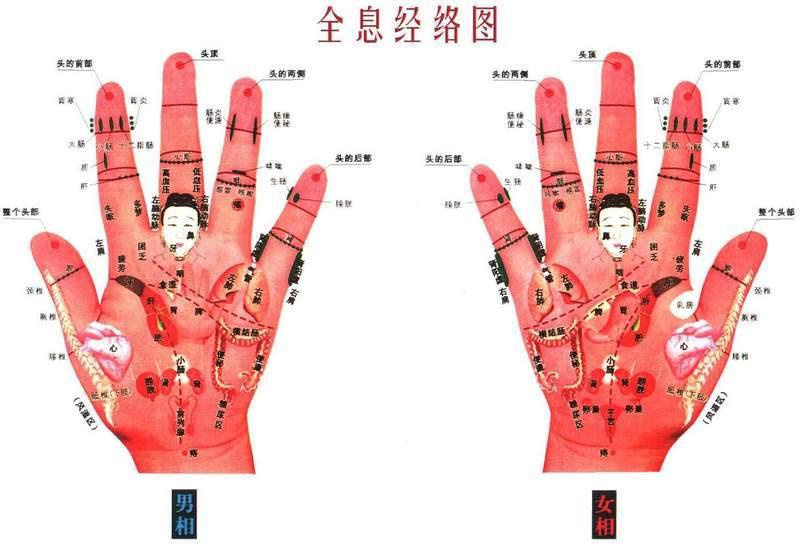 Shou Zhen: TCM Therapy Guide
Hands examination, i.e. by following human hands lines, changes, patterns, the doctor make out his conclusion.
Something this article did not cover?
Ask us directly. We reply within two days, and good questions become public articles.
Ask a question →