
THERAPY
Shou Zhen: TCM Therapy Guide
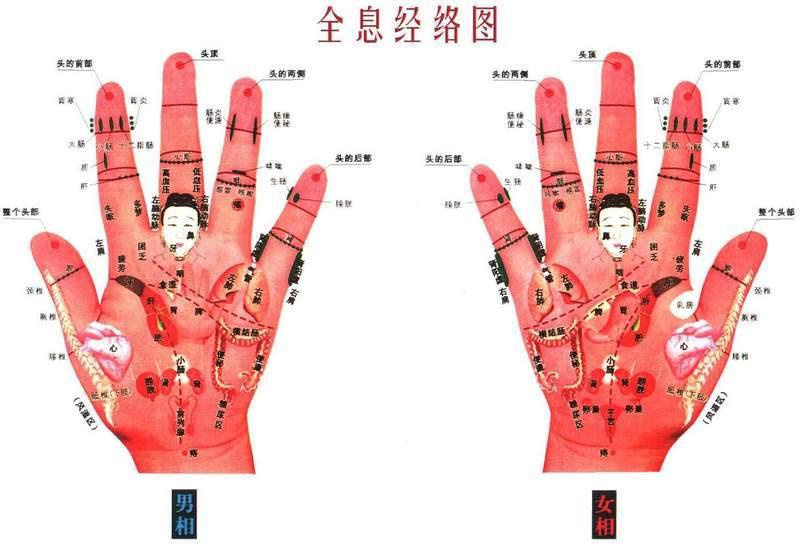
Hands examination, i.e. by following human hands lines, changes, patterns, the doctor make out his conclusion. By using of senses as visual sense, tactile sensation, observing on the hands can help doctor understand the body health or disease status.
Hands examination mainly refers to the inspection of the hands which been divided into the complexion, hand lines and chirality. These three can also be combined to work out the conclusion. Then there comes out the hands examination.
Diagnosis principle:
The human body is a unified whole, when some organs got hurt, the palm of the hand will show signs. For years of efforts on analysis and summary, Chinese medicine experts worked out some benchmarks. This is a Chinese manipulation with visual sense, tactile sensation, observation on hand, chirality, nail, fingerprint, palm lines, color and hardness and so on, taking measures as observe, touch, press, pinch so as to understand the human condition.
Treatment techniques:
It is a special treatment to apply with appropriate physical means to stimulate the corresponding position to adjust the body health status.
Hand treatment classification:
1, To observe the hand lines, such as the lifeline and so on.2, Chirality: To study of palm, finger, nails, etc.3, Second metacarpal bone: This means that Second metacarpal bone represents parts of the human body, according to the pain on different positions the doctor would tell the health status.4, Complexion therapies: This method is based on hand complexions as the main grounds.1.Position
Different from the western medicine utilizing technologies as X machine, ECG machine, CT, MRI and other equipments to understand the disease, TCM has its own methods, although they are unable to see human organs, but the reaction zones have the same regularity, and the reaction zone is "position".
The color lies on the surface of the pain position and have five colors to present, each representing a different pathologies: white -- representative inflammation; red -- severe inflammation or blood spot; blue -- poor circulation; brown -- representation chronic disease; black -- that critically illness.
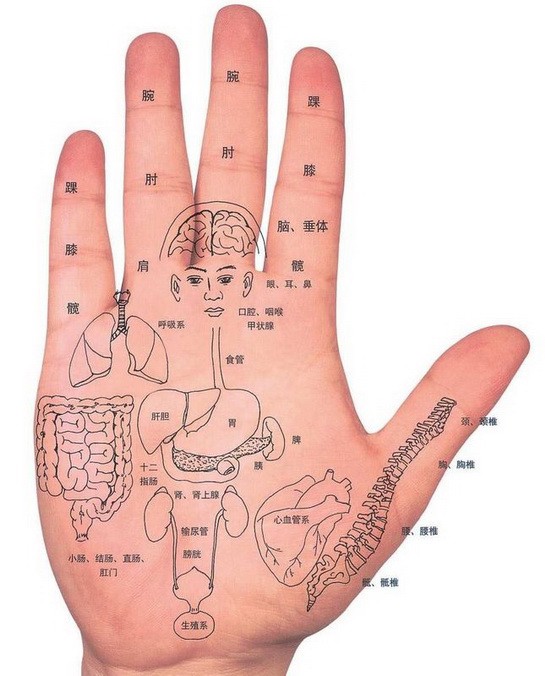
2.Complexion:
The observation of complexion, color, shape. Complexion is an indicator of men’s comprehensive performance, representing the immunity standard. If The complexion appears red, then the body is within normal standard with quite well physical function; If it is dark or haggard, then it indicates that the body is under low immunity; If the redness is beyond the normal standard, then it is referring that the body may suffering from high blood fat, blood sugar and blood viscosity.
Sources and further reading
We cite classical materia medica and modern reference works. This article is health education, not medical advice.
- Shennong Bencao Jing (The Divine Farmer's Materia Medica), Han dynasty.
- Bencao Gangmu (Compendium of Materia Medica), Li Shizhen, 1578.
- Chinese Pharmacopoeia, current edition — identity, quality and safety monographs.
- NCCIH and WHO reference material on traditional medicine safety.
Spotted an error or a better source? Tell us — corrections are logged on our editorial policy page.
Did this article help you?
Your answer shapes what gets rewritten next.
Keep readingRelated entries
 Huo Liao: TCM Therapy Guide
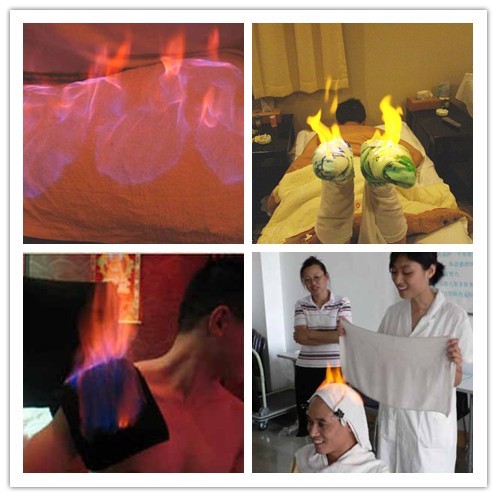
Cultural origin The antients could alleviate pain getting burned when heating foods, so they get themselves more burning on body initiatively for pain.
 Tai Ji: TCM Therapy Guide
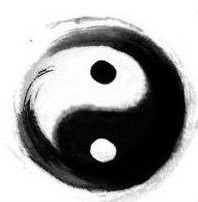
Black part in tai ji refers to yin, white pot in clack refers to yang within yin; while white stands for yang and black pot in white means yin within yang.
Food therapies for frequent micturition
Frequent micturition refers to unusual increase in urinate during normal circumstances, and can be divided into physiological and pathological illness.
Food therapies of acute mastitis
The patient is mostly among postpartum women, especially the newly pregnant women.
Something this article did not cover?
Ask us directly. We reply within two days, and good questions become public articles.
Ask a question →