
Putridity-Resolving and Wound-Healing Herbs
Lu Gan Shi: Chinese Herb Guide
Name
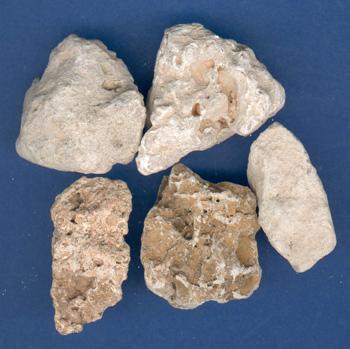
Lu Gan Shi (Calamina), recorded in Wai Dan Ben Cao.
Source and quality
Plant
The smithsonite, a carbonate mineral consisting mainly of zinc carbonate (ZnCO3).
Where it is grown
Mainly in Guangxi, Hunan and Sichuan provinces.
Harvest
Mined throughout the year.
Smell and taste
No unpleasant smell; slightly astringent.
Better grade
Light in weight, loose in texture and white.
Processing
Calcined; or calcined and then quenched with vinegar; or calcined and then quenched with San Huang Tang (Huang Lian, Huang Bai and Da Huang); refined with water.
Nature and action
Sweet and neutral; enters the liver and stomach channels. Removes toxicity, improves vision and clears nebula, astringes dampness, relieves itching and heals wounds.
When it is used
Blood-shot eyes, visual disturbance and itchy eyelids with damp discharge
Because it is sweet, neutral and free of toxicity, and because it removes toxicity, improves vision and clears nebula, it is good at treating eye disorders. It is a common ophthalmic herb, and for external use it is indicated for clearing nebula and treating visual disturbance.
For blood-shot eyes, nebula and visual disturbance it is combined with Qing Fan and Po Xiao, dissolved in boiling water and used as a topical wash. It is good at astringing dampness to relieve excessive tearing and itching, and is indicated for injury to the eye socket and photophobia. It is combined with herbs that remove toxicity, dry dampness and relieve itching, to clear heat and remove toxicity, astringe dampness, prevent corrosion and promote tissue regeneration, such as Huang Lian and Bing Pian.
Unhealing ulcers and eczema
It removes toxicity, promotes tissue regeneration and heals wounds, while astringing dampness and relieving itching. Of these actions it is especially good at astringing dampness, so it is indicated for sores and ulcers, particularly where pus is discharging and ulcers fail to heal after ulceration.
It is mainly indicated for itching of the skin from dampness with discharge in eczema, and is often combined with herbs that clear heat and dry dampness to strengthen the effect, such as calcined Shi Cao, Long Gu, Qing Dai and Huang Lian. Separately, it can be used with herbs that clear heat and prevent corrosion, such as Bing Pian, to treat scalds and burns.
Dose
Use externally as appropriate: grind into powder for direct application, or mix with other liquid. Refined with water, it is used as eye drops. It is not for internal use.
Sources and further reading
We cite classical materia medica and modern reference works. This article is health education, not medical advice.
- Shennong Bencao Jing (The Divine Farmer's Materia Medica), Han dynasty.
- Bencao Gangmu (Compendium of Materia Medica), Li Shizhen, 1578.
- Chinese Pharmacopoeia, current edition — identity, quality and safety monographs.
- NCCIH and WHO reference material on traditional medicine safety.
Spotted an error or a better source? Tell us — corrections are logged on our editorial policy page.
Did this article help you?
Your answer shapes what gets rewritten next.
Keep readingRelated entries
 Qian Dan: Chinese Herb Guide
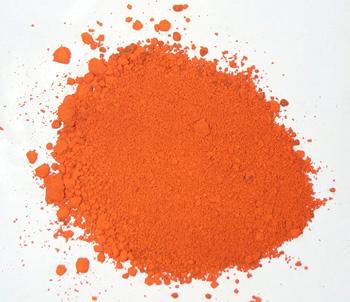
Qian Dan: counteract toxic pathogen and resolve putridity and promote tissue regeneration, astringe dampness and kill parasites and relieve itching.
 Arsenolite: Chinese Herb Guide
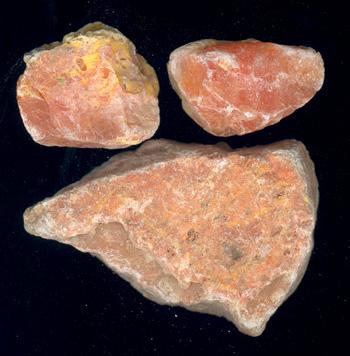
Name Pi Shi (Arsenolite) — Ri Hua Zi Ben Cao (Ri Hua Zi's Materia Meclica) Source and quality Plant Aresnolite mineral or processing product of arsenic-containing minerals such as.
Calamina: Chinese Herb Guide
Lu Gan Shi (Calamina) — Wai Dan Ben Cao (Materia Medica of Vermilion Pill) The smithsonite of carbonate mineral, mainly containing ZnCO3
 Peng Sha: Chinese Herb Guide
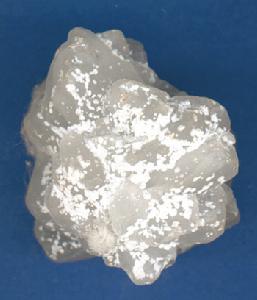
Peng Sha: clear heat and remove toxicity for external application, clear lung and resolve phlegm for internal application.
Something this article did not cover?
Ask us directly. We reply within two days, and good questions become public articles.
Ask a question →