
Massage
Brief introductionMassage is a general term for pressing, rubbing and manipulating your skin, muscles, tendons and ligaments. Massage therapists typically use their hands and fingers for massage but may also use their forearms, elbows and even feet. Massage may range from light stroking to deep pres
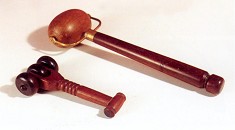
Brief introduction
Massage is a general term for pressing, rubbing and manipulating your skin, muscles, tendons and ligaments. Massage therapists typically use their hands and fingers for massage but may also use their forearms, elbows and even feet. Massage may range from light stroking to deep pressure techniques.
In a typical massage therapy session, you undress or wear loosefitting clothing. Undress only to the point that you're comfortable. You generally lie on a table and cover yourself with a sheet. You can also have a massage while sitting in a chair, fully clothed. Your massage therapist should perform an evaluation through touch to locate painful or tense areas and to determine how much pressure to apply.
If you want, your massage therapist may use oil or lotion to reduce friction on your skin. Tell your massage therapist if you might be allergic to any ingredients.
A massage session may last from 15 to 90 minutes, depending on the type of massage and how much time you have. No matter what kind of massage you choose, you should feel calm and relaxed during and after your massage. Pain that's more significant than momentary discomfort could indicate that something's wrong. If a massage therapist is pushing too hard, ask for lighter pressure. Occasionally you may have a sensitive spot in a muscle that feels like a knot. It's likely to be uncomfortable while your massage therapist works it out. But if it becomes painful, speak up.
Brush aside any thoughts that massage is only a feel-good way to indulge or pamper yourself. On the contrary, massage can be a powerful tool to help you take charge of your health and well-being, whether you have a specific health condition or are just looking for another stress reliever. You can even learn how to do self-massage or to engage in massage with a partner.
History of Massage
Massage therapy dates back thousands of years. References to massage appear in writings from ancient China, Japan, India, Arabic nations, Egypt, Greece (Hippocrates defined medicine as "the art of rubbing"), and Rome.
Massage became widely used in Europe during the Renaissance. In the 1850s, two American physicians who had studied in Sweden introduced massage therapy in the United States, where it became popular and was promoted for a variety of health purposes. With scientific and technological advances in medical treatment during the 1930s and 1940s, massage fell out of favor in the United States. Interest in massage revived in the 1970s, especially among athletes.
Common types
There are many different types of massages, including these common types:
Swedish massage. This is a gentle form of massage that uses long strokes, kneading, deep circular movements, vibration and tapping to help relax and energize.
Deep-tissue massage. This massage technique uses slower, more forceful strokes to target the deeper layers of muscle and connective tissue, commonly to help with muscle damaged from injuries.
Sports massage. This is similar to Swedish massage but is geared toward people involved in sport activities to help prevent or treat injuries.
Trigger point massage. This massage focuses on trigger points, or sensitive areas of tight muscle fibers that can form in your muscles after injuries or overuse.
Benefits of massage
Massage is generally considered part of complementary and alternative medicine. It's increasingly being offered along with standard treatment for a wide range of medical conditions and situations.
While more research is needed to confirm the benefits of massage, some studies have found massage helpful for:
Stress
Managing anxiety and depression
Pain
Stiffness
Blood pressure control
Infant growth
Sports-related injuries
Boosting immunity
Cancer treatment
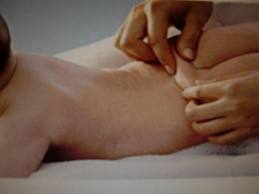
Despite the benefits for specific conditions or diseases, some people enjoy massage because it involves caring, comfort, relief and creating deep connections with their massage therapist.
However, massage isn't a replacement for regular medical care. Let your doctor know you're trying massage and be sure to follow any standard treatment plans you have.
Cautions
Vigorous massage should be avoided by people with bleeding disorders or low blood platelet counts, and by people taking blood-thinning medications such as warfarin.
Massage should not be done in any area of the body with blood clots, fractures, open or healing wounds, skin infections, or weakened bones (such as from osteoporosis or cancer), or where there has been a recent surgery.
Although massage therapy appears to be generally safe for cancer patients, they should consult their oncologist before having a massage that involves deep or intense pressure. Any direct pressure over a tumor is discouraged. Cancer patients should discuss every concern about massage therapy with their oncologist.
Pregnant women should consult their health care provider before using massage therapy.
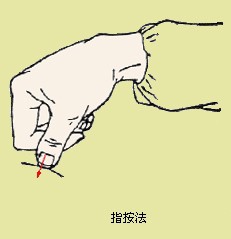
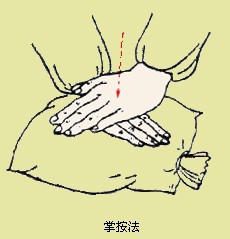
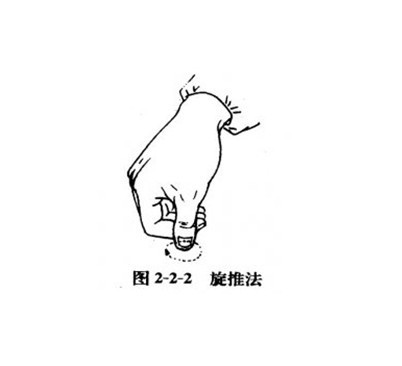
Illustrations of Tuina Manipulations
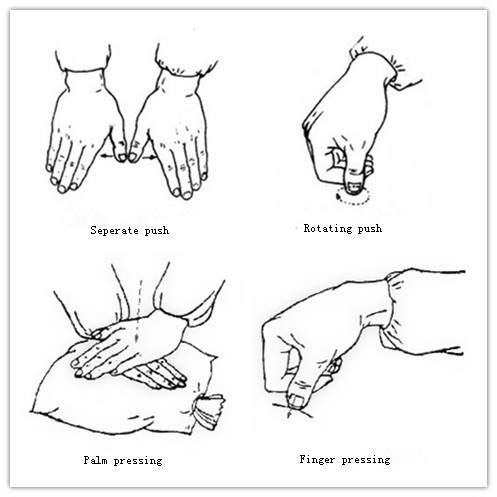
Separate push
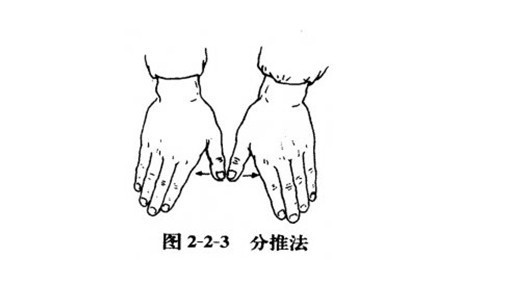
Finger pressing
Palm pressing
Rotating push
Did this article help you?
Your answer directly shapes how this article gets rewritten. Several sections on this site exist because readers asked for them.
Keep readingRelated for you
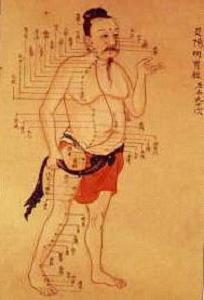 Acupuncture
Today, acupuncture, in one form or another, is practiced in dozens of countries by thousands of acupuncturists on millions of people and their animals. According to the National Institutes of Health, in the U.S. alone, there are currently more than 10 million adults that have used acupuncture at som
Acupuncture
Today, acupuncture, in one form or another, is practiced in dozens of countries by thousands of acupuncturists on millions of people and their animals. According to the National Institutes of Health, in the U.S. alone, there are currently more than 10 million adults that have used acupuncture at som
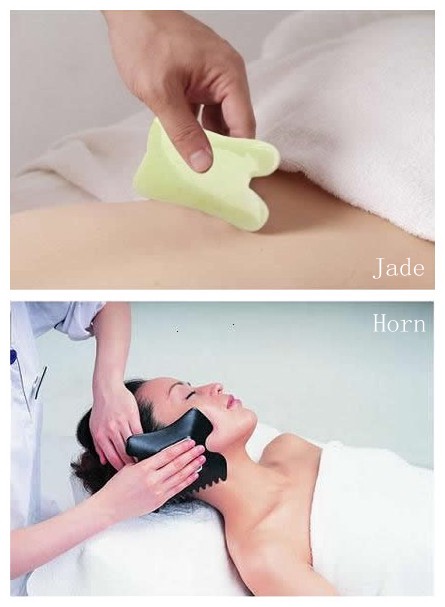 Skin Scraping
 is one of the traditional Chinese natural therapies. It is based on the skin theory of traditional Chinese medicine: by using tools such as jade, ox horn or cupping jars with liniment on, scraping and rubbing repeatedly the relevant parts of the skin, to dredge the channel, and activat
Skin Scraping
Skin Scraping is one of the traditional Chinese natural therapies. It is based on the skin theory of traditional Chinese medicine: by using tools such as jade, ox horn or cupping jars with liniment on, scraping and rubbing repeatedly the relevant parts of the skin, to dredge the channel, and activat
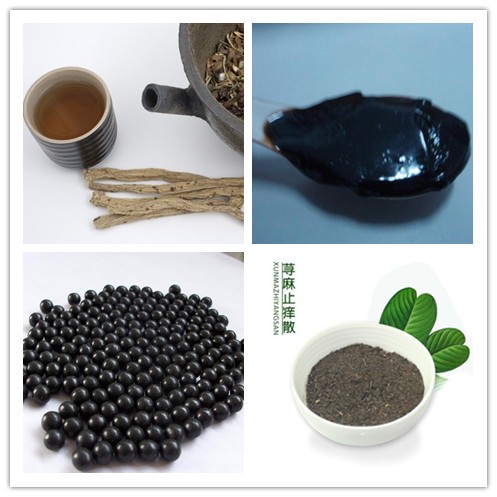 Herb Medicine
IntroductionChinese herbal medicine is a major part of traditional Chinese medicine, which focuses on restoring a balance of energy, body and spirit to maintain health rather than treating a particular disease or medical condition. Herbs are used to restoring balance by nourishing the body.Chinese h
Herb Medicine
IntroductionChinese herbal medicine is a major part of traditional Chinese medicine, which focuses on restoring a balance of energy, body and spirit to maintain health rather than treating a particular disease or medical condition. Herbs are used to restoring balance by nourishing the body.Chinese h
Something this article didn't cover?
Ask us directly — we reply within 2 days. Great questions become public articles.
Ask a question →