
Fundamental Theory of TCM
Pulse Diagnosis: TCM Concept Guide
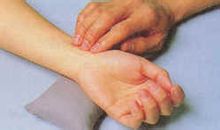
Pulse taking looks ceremonial because it is done in a set order. In TCM the pulse is not only a heart-rate count. It is read as a picture of zang-fu, qi and blood. The heart governs the vessels; the lung faces all the channels; the spleen manages blood; the liver stores blood; kidney essence can transform into blood. A change in any of these can change the pulse, so different pulses are used as clues to physiology and pathology in the organs. The preferred time is early morning. The patient should be calm, breathing evenly, so the reading is not thrown by hurry or talk.
Finger positions
Three fingers lie in a line on the radial artery at the wrist. The middle finger sits on guan, the index finger on cun (closer to the hand), and the ring finger on chi (closer to the elbow). Depth, rate and quality are all part of the reading. This is a trained skill, not a gadget substitute.
Four things the pulse is asked to show
Location (wei). Cun, guan and chi, and whether the beat is felt near the surface or only with deeper pressure. A pulse that sits too high is called floating; one that extends beyond the usual three positions may be called long; one that fails to reach chi or cun may be called short.
Rate (shu). How many beats, and whether the rhythm is even.
Form (xing). Size, and whether the vessel feels soft or hard.
Strength and flow (shi). Force, and whether the blood seems to slip through easily or catch.
Common pulse types
Textbook lists include floating, deep (sunken), slow, rapid, empty, full, slippery, surging, faint and wiry (sometimes called a “string-like” or “angry” pulse). A floating pulse is classed as yang and is often discussed with external factors — wind, cold, damp, dryness and heat. A deep pulse is classed as yin and is more often linked with interior patterns and with the seven emotions (joy, anger, anxiety, worry, sadness, fear and fright).
What changes a normal pulse
Season, age, sex, body type, work, rest and mood all matter, so a pulse is never read from a single textbook line. In a common seasonal sketch, spring tends to wiry, summer to fuller, autumn to more floating, winter to deeper. Children are faster; infants very fast; young adults stronger; women’s pulses are often a little weaker and slightly quicker than men’s. After hard work, alcohol, a full meal or excitement the pulse is stronger and quicker; when hungry it is weaker. Heavier people often present a deeper pulse, thinner people a more floating one. People who sit at a desk all day often have a weaker pulse than people who do physical work.
None of this replaces a clinician who can compare pulse with tongue, history and the rest of the four examinations.
Sources and further reading
We cite classical materia medica and modern reference works. This article is health education, not medical advice.
- Shennong Bencao Jing (The Divine Farmer's Materia Medica), Han dynasty.
- Bencao Gangmu (Compendium of Materia Medica), Li Shizhen, 1578.
- Chinese Pharmacopoeia, current edition — identity, quality and safety monographs.
- NCCIH and WHO reference material on traditional medicine safety.
Spotted an error or a better source? Tell us — corrections are logged on our editorial policy page.
Did this article help you?
Your answer shapes what gets rewritten next.
Keep readingRelated entries
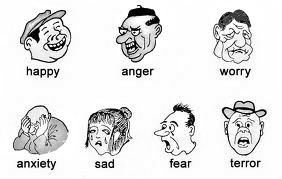 The Seven Emotions: TCM Concept Guide
What the seven emotions are In TCM the seven emotions are joy, anger, worry, overthinking (pensiveness), grief, fear and fright.
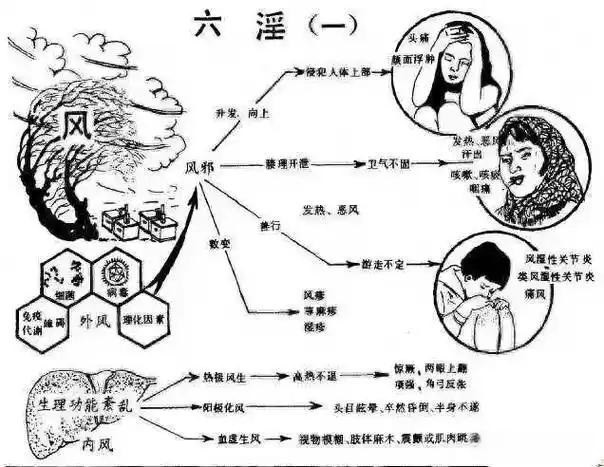 six climatic factors
The six climatic factors are pathogenic wind, pathogenic cold, pathogenic summer-heat, pathogenic dampness, pathogenic dryness and pathogenic heat (fire).
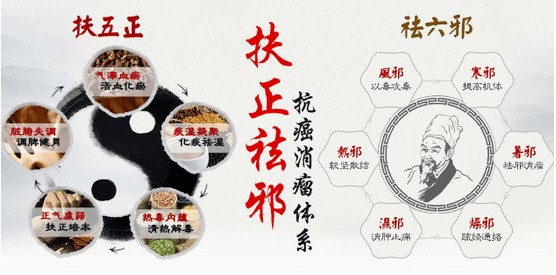 Preventive Principles
Preventive principles refer to the criteria of preventing the occurrence, development and transmission of disease made in accordance with the laws of the.
 Yin-Yang: TCM Concept Guide
The theory of yin-yang originated in antiquity . It is a theory dealing with the origination of the universe as well as the motion and variation of all.
Something this article did not cover?
Ask us directly. We reply within two days, and good questions become public articles.
Ask a question →