
Fundamental Theory of TCM
The Seven Emotions: TCM Concept Guide
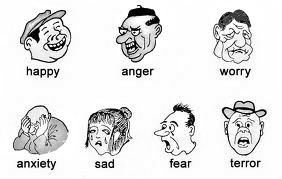
What the seven emotions are
In TCM the seven emotions are joy, anger, worry, overthinking (pensiveness), grief, fear and fright. They are the ordinary outer face of organ activity. They do not cause disease by themselves. They become pathogenic when the stimulus is sudden, violent or prolonged beyond what the person can absorb, or when yin-yang, qi and blood are already out of balance. That is “internal injury from the seven emotions.”
Emotions and the organs
Different organ states move qi, blood, yin and yang in different ways, so they show as different feelings. The Huangdi Neijing pairs them roughly as: heart — joy; liver — anger; spleen — thought; lung — grief; kidney — fear. Fright and anxiety also involve qi in the five zang. The pairing is not a lock. Excess liver qi may show as anger, deficiency as fear; excess heart qi as manic joy, deficiency as grief. All emotional life is also said to pass through the heart-spirit: the heart is the seat of mind, so every emotion is a heart event as well as an organ event.
A short map of qi: too much joy slackens qi; too much anger drives qi up; too much thought knots qi; too much grief consumes qi; fear drives qi down; fright scatters qi; worry depresses qi.
How emotional injury tends to show
1. It can hit the organs directly
Because these causes are internal, they can impair organs without an external pathogen. The textbook lines are: excessive joy injures the heart, anger the liver, thought the spleen, grief the lung, fear the kidney. In practice one emotion rarely stays in one organ. Rage that hits the liver often then attacks spleen and stomach. Because the heart governs mind, most emotional injury involves the heart, and clinic most often sees heart, liver and spleen together.
2. It disturbs the movement of qi
Anger, qi rising. Liver qi rebels upward: red face and eyes, headache, dizziness, irritability. If blood follows qi, there may be vomiting of blood or sudden fainting. If liver qi moves sideways, there may be stomach or abdominal pain, vomiting or diarrhea.
Joy, qi loosening. Sudden elation can slacken heart qi: palpitations, shortness of breath, distraction; in extreme cases collapse of spirit or mania.
Grief, qi consumed. The lung fails to spread and descend: weak voice, reluctance to speak, chest oppression, low mood.
Fear, qi sinking. Kidney qi cannot hold: incontinence, seminal emission, premature ejaculation in the classical descriptions.
Fright, qi disordered. Heart mind is startled: restlessness, insomnia, muteness, a tendency to startle, even psychosis in severe cases.
Overthinking, qi knotted. Spleen qi fails to raise, transform and transport: poor appetite, abdominal fullness, loose stool.
Worry, qi stuck. Chest oppression, restlessness, heavy limbs, sallow face, dull hair.
3. It tends to produce emotional illness
Patterns whose main face is mood — depression, manic agitation, chest bi, “true heart pain” in the old sense — are often started or worsened by emotional shock, and they swing as the mood swings.
4. Mood changes the course of other disease
Steady spirits help recovery; agitation can start or worsen illness, including chest pain patterns and, in clinical observation, a faster slide in some cancers. That is why treatment that ignores mood is incomplete. It is not a claim that thinking happy thoughts replaces medical care.
Sources and further reading
We cite classical materia medica and modern reference works. This article is health education, not medical advice.
- Shennong Bencao Jing (The Divine Farmer's Materia Medica), Han dynasty.
- Bencao Gangmu (Compendium of Materia Medica), Li Shizhen, 1578.
- Chinese Pharmacopoeia, current edition — identity, quality and safety monographs.
- NCCIH and WHO reference material on traditional medicine safety.
Spotted an error or a better source? Tell us — corrections are logged on our editorial policy page.
Did this article help you?
Your answer shapes what gets rewritten next.
Keep readingRelated entries
 Pulse Diagnosis: TCM Concept Guide
Pulse taking looks ceremonial because it is done in a set order. In TCM the pulse is not only a heart-rate count. It is read as a picture of zang-fu, qi and.
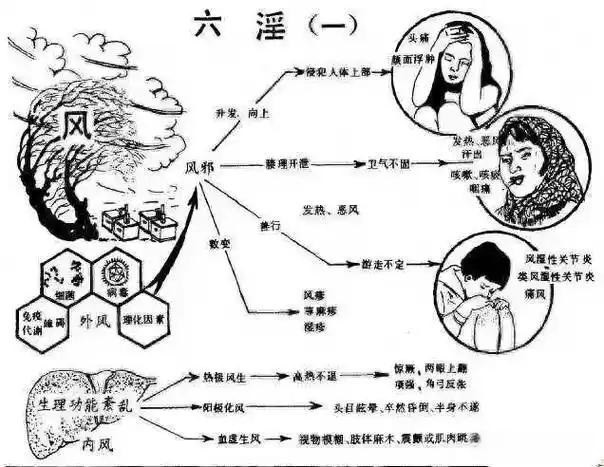 six climatic factors
The six climatic factors are pathogenic wind, pathogenic cold, pathogenic summer-heat, pathogenic dampness, pathogenic dryness and pathogenic heat (fire).
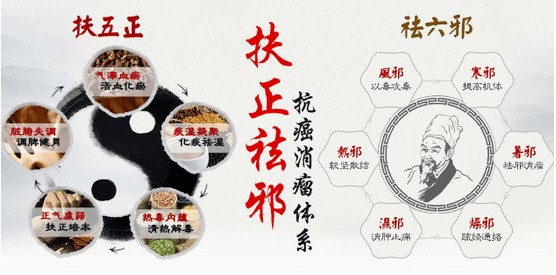 Preventive Principles
Preventive principles refer to the criteria of preventing the occurrence, development and transmission of disease made in accordance with the laws of the.
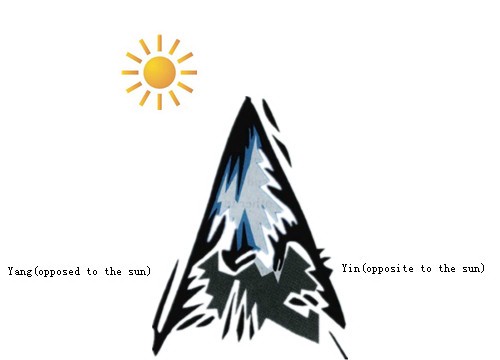 Yin-Yang: TCM Concept Guide
The theory of yin-yang originated in antiquity . It is a theory dealing with the origination of the universe as well as the motion and variation of all.
Something this article did not cover?
Ask us directly. We reply within two days, and good questions become public articles.
Ask a question →