
Wind-Heat-Dispersing Herbs
Chai Hu (Bupleurum): Shaoyang, Liver Qi and Sinking Qi
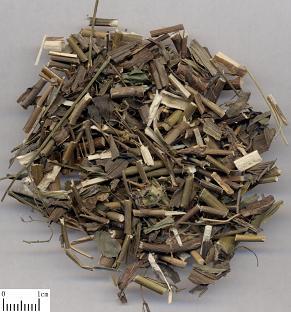
Name
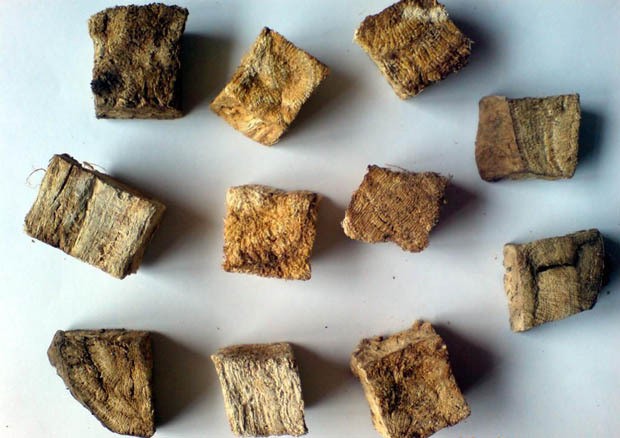
Chai Hu (bupleurum root, Radix Bupleuri), recorded in the Shennong Bencao Jing.
Source and quality
Plant
The root of Bupleurum chinense DC. (Bei Chai Hu) or Bupleurum scorzonerifolium Willd. (Nan Chai Hu), family Apiaceae.
Where it is grown
Bei Chai Hu: mainly Hebei, Henan, Liaoning. Nan Chai Hu: mainly Hubei, Sichuan, Anhui. Bei Chai Hu is generally preferred as medicine.
Harvest
Spring and autumn.
Smell and taste
Slightly aromatic; slightly bitter.
Better grade
Wide, long roots with few fine rootlets.
Processing
Used raw, or vinegar-fried, cut into sections.
Nature and action
Bitter, acrid, slightly cold; enters liver and spleen. Releases the exterior and reduces fever; soothes the liver and eases constraint; raises yang qi.
When it is used
Exterior invasion, and shaoyang alternating chills and fever
Chai Hu expels pathogens and is widely used for fever from an exterior contraction, whether the surface reads more cold or more heat. For wind-cold it is paired with Qiang Huo, Jing Jie, Fang Feng (Zheng Chai Hu Yin uses Fang Feng and Sheng Jiang). For wind-heat, with Ge Gen and Bo He.
It is the lead herb for shaoyang: alternating chills and fever, fullness in chest and ribs, bitter taste and thirst. Combined with Huang Qin it is the mediating pair in Xiao Chai Hu Tang.
Liver qi constraint
For rib-side or abdominal distending pain, low mood, and irregular periods from liver qi stagnation, it is paired with qi-moving and blood-moving herbs (Chai Hu Shu Gan San with Xiang Fu, Chuan Xiong and Bai Shao). For liver constraint plus blood deficiency and a spleen that is not transporting — irregular periods, breast distension, fatigue, poor appetite, a wiry empty pulse — Xiao Yao San with Dang Gui, Bai Shao, Bai Zhu and Fu Ling.
Sinking of middle qi
It can raise the clear yang of spleen and stomach. For lingering diarrhea, a bearing-down distension, or the old categories of rectal or uterine prolapse from spleen qi not holding, it is used in small amounts with qi-tonics such as Ren Shen, Huang Qi and Sheng Ma (Bu Zhong Yi Qi Tang).
It also appears in older malaria formulas with Huang Qin, Chang Shan and Cao Guo. That is a historical use.
Dose
Decoction 3–10 g. For exterior and fever: unprocessed, toward the larger end of the range. For soothing the liver: vinegar-fried. For raising yang: unprocessed or wine-fried, in a small dose.
Cautions
Use carefully in yin deficiency with yang hyperactivity, stirring liver wind, yin deficiency with vigorous fire, or qi rebelling upward. Chai Hu can raise and disperse; those pictures do not want that.
Sources and further reading
We cite classical materia medica and modern reference works. This article is health education, not medical advice.
- Shennong Bencao Jing (The Divine Farmer's Materia Medica), Han dynasty.
- Bencao Gangmu (Compendium of Materia Medica), Li Shizhen, 1578.
- Chinese Pharmacopoeia, current edition — identity, quality and safety monographs.
- NCCIH and WHO reference material on traditional medicine safety.
Spotted an error or a better source? Tell us — corrections are logged on our editorial policy page.
Did this article help you?
Your answer shapes what gets rewritten next.
Keep readingRelated entries
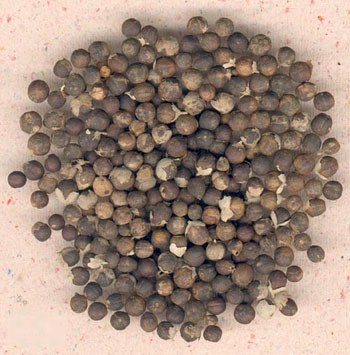 Man Jing Zi (Vitex Fruit)
Man Jing Zi (vitex / chastetree fruit, Fructus Viticis ), recorded in the Shennong Bencao Jing . The ripe fruit of Vitex trifolia L. var
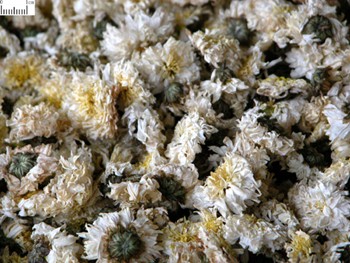 Ju Hua (Florists chrysanthemum flower)
: disperse wind-heat, subdue liver yang, and remove liver heat to improve vision, clear lung heat.
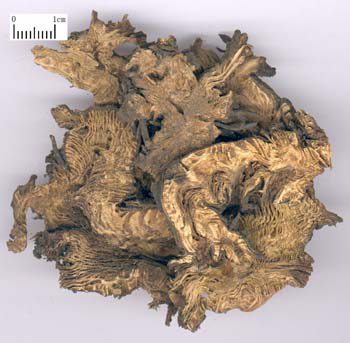 Sheng Ma (Black Cohosh Rhizome)
This is the Chinese medicinal species group, not a substitute for every Western “black cohosh” product.
 Ge Gen (Kudzu Root): Fever, Stiff Neck, Thirst and Diarrhea
Ge Gen (kudzu root, Radix Puerariae ; also Gan Ge), recorded in the Shennong Bencao Jing
Something this article did not cover?
Ask us directly. We reply within two days, and good questions become public articles.
Ask a question →