
Fundamental Theory of TCM
The Eight Principles (Ba Gang Bian Zheng)

The idea
Ba gang are the eight principles. After the four examinations (looking, listening/smelling, asking and touching), the case is sorted by location, nature and strength into eight headings: exterior and interior, cold and heat, deficiency and excess, yin and yang. That sorting is ba gang bian zheng.
Exterior (biao) and interior (li)
Exterior means the illness sits in skin, flesh and channels. Interior means it sits in the zang-fu. Other things equal, exterior patterns are easier to resolve than interior ones.
A rough contrast. Exterior: short course, fever with aversion to cold, tongue close to normal, floating pulse. Interior: longer course, fever without that chills pattern or no fever, a clearly abnormal tongue, a deep pulse.
Cold (han) and heat (re)
Cold means the body has taken on external cold, or yang qi inside is too weak, so function runs low: chills, bland taste, pallor, cold limbs, loose stool, white coating, slow pulse. Subtypes include exterior cold, interior cold, deficiency cold and excess cold.
Heat means the body has taken on heat, or yang is in excess and yin is lacking: fever with a wish for cold drink and cooler air, red face and eyes, restlessness, yellow sticky phlegm, dark urine, dry bound stool, rapid pulse. Subtypes include excess heat and deficiency heat (not “deficiency cold” — that belongs under cold).
Deficiency (xu) and excess (shi)
Deficiency is weak upright qi and declining organ function.
Blood deficiency. Not enough blood to nourish organs, channels and tissue: pale or sallow face, pale lips, dizziness, palpitations, insomnia, numb limbs.
Qi deficiency. Function too weak: dull complexion, few words, low voice, tiredness, weak pulse.
Yin deficiency. Yin fluids lacking: tidal fever, night sweat, dry throat, hot palms and soles, scant yellow urine, red tongue with little coating, rapid pulse.
Yang deficiency. Cold body, pallor, tiredness, spontaneous sweat, bland taste and little thirst, clear copious urine, pale tongue, weak pulse.
Spotting xu versus shi. Deficiency: long illness, weak constitution, quiet voice, pain that likes pressure, clear copious urine, thin loose stool, pale tongue with little coating, weak pulse. Excess: short illness, strong constitution, loud voice, pain that hates pressure, scant urine and bound stool, thick coating, strong pulse.
Yin and yang
The other six principles collapse into these two. Exterior, heat and excess are yang; interior, cold and deficiency are yin.
Yin pattern: low spirits, pallor, fear of cold, cold limbs, short breath, low voice, no thirst, loose stool, clear urine, moist coating, weak pulse.
Yang pattern: hot body, red face, irritability, strong voice, thirst, rapid breathing, constipation, dark scant urine, red tongue, yellow coating, strong pulse.
Collapse of yin and collapse of yang
Both follow a sudden loss of yin fluid or yang qi: high fever with profuse sweat, severe vomiting, or heavy bleeding.
Yin collapse. Sticky sweat, shortness of breath, fever, warm limbs, restlessness, craving for cold drinks, flushed face, dry tongue, rapid but weak pulse.
Yang collapse. Profuse sweat, pallor, apathy, fear of cold, cold limbs, no thirst or a wish for hot drinks, a pulse so weak it is barely there. This is an emergency picture, not a self-help category.
Sources and further reading
We cite classical materia medica and modern reference works. This article is health education, not medical advice.
- Shennong Bencao Jing (The Divine Farmer's Materia Medica), Han dynasty.
- Bencao Gangmu (Compendium of Materia Medica), Li Shizhen, 1578.
- Chinese Pharmacopoeia, current edition — identity, quality and safety monographs.
- NCCIH and WHO reference material on traditional medicine safety.
Spotted an error or a better source? Tell us — corrections are logged on our editorial policy page.
Did this article help you?
Your answer shapes what gets rewritten next.
Keep readingRelated entries
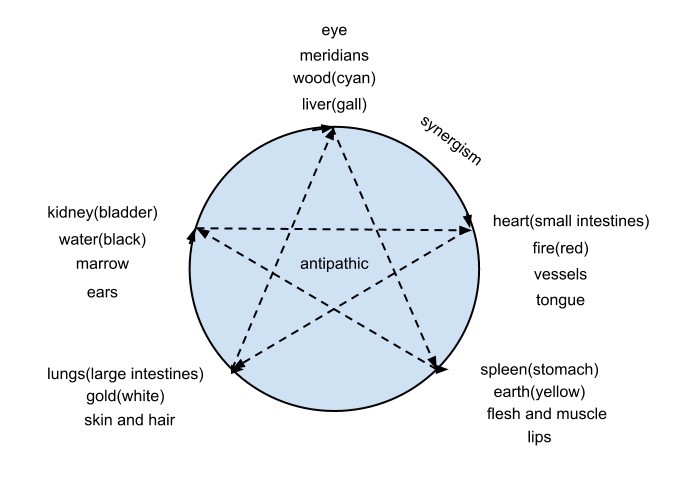 Zang Xiang Theory: TCM Concept Guide
It is first appeared in the chapter of six Sections of Discussions on Visceral Manifestation in Su Wen.
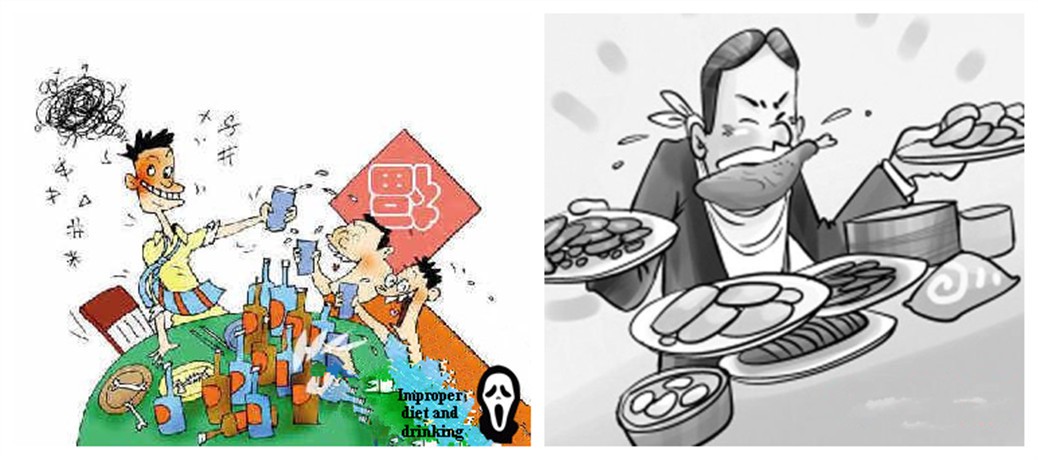 Improper Diet: TCM Concept Guide
Food is how the body takes in nourishment. It still has to follow a rhythm. When it does not, diet itself becomes a cause of illness.
 Overwork and Too Much Rest
Overwork Three forms are described: physical overstrain, mental overwork, and excessive sexual activity.
 Imbalance between yin and yang
Relative predomination and decline of yin and yang directly cause excess syndrome and deficiency syndrome.
Something this article did not cover?
Ask us directly. We reply within two days, and good questions become public articles.
Ask a question →