
Wind-Cold-Dispersing Herbs
Ma Huang (Ephedra): Uses, Forms, Dose and Safety
Name
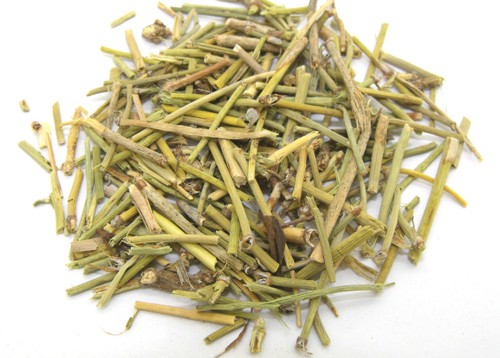
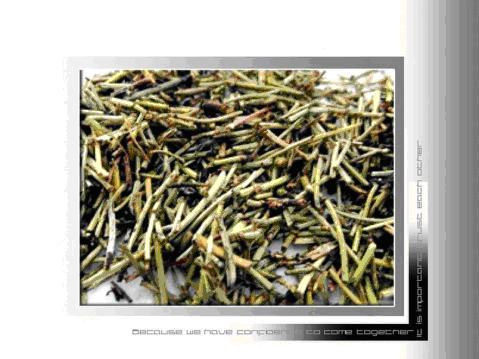
Ma Huang (ephedra stem, Herba Ephedrae), recorded in the Shennong Bencao Jing.
Source and quality
Plant
The herbaceous stems of Ephedra sinica Stapf, E. equisetina Bunge, or E. intermedia Schrenk & C. A. Mey.
Where it is grown
Hebei, Shanxi and Inner Mongolia.
Harvest
Young stems cut in autumn.
Smell and taste
Slightly aromatic; astringent and slightly bitter.
Better grade
Dry, stout, light green stems with a substantial pith; bitter-astringent taste.
Processing
Dried, cut; used raw, honey-fried, or as a milder “floss.”
Nature and action
Acrid, slightly bitter, warm; enters lung and bladder. Induces sweating and releases the exterior; eases wheezing and cough; promotes urination.
When it is used
Wind-cold excess (no sweat)
Ma Huang is a strong sweating herb. It fits a wind-cold exterior-excess pattern: pores closed, no sweat, chills wrapping the surface. It is often paired with cinnamon twig (Gui Zhi) to strengthen the sweat. Because it also opens the lung, it is especially used when that same pattern comes with cough or wheeze — the classic pair is Ma Huang Tang in the Shanghan Lun.
Cough and wheeze from blocked lung qi
By spreading and descending lung qi it is a key herb for panting from obstruction, not from emptiness. With Xing Ren it appears in San Ao Tang. This is not the herb for weak, open panting with no obstruction.
Edema
It can move water by spreading lung qi and opening the waterways to the bladder, and it can still sweat the exterior, so it is used in early edema that still has an exterior pattern (Gan Cao Ma Huang Tang; Yue Bi Jia Zhu Tang with Bai Zhu).
Older texts also use it for wind-cold rashes, stuffy runny nose, and cold bi pain. Those are classical extensions, not extra reasons to self-dose ephedra.
Dose and forms
Decoction 3–10 g. Raw Ma Huang sweats more strongly (exterior wind-cold). Honey-fried Ma Huang is preferred when the main aim is wheeze, including some lung-heat panting in formula. Ma Huang floss is milder and is the usual choice for children, older people, or a weak constitution — still only in a proper formula.
Cautions
Do not use for deficient wheeze without lung obstruction. Use extreme caution in high blood pressure and insomnia: ephedrine can stimulate the central nervous system and raise blood pressure. In many countries ephedra products are restricted. This page is a TCM monograph, not permission to buy or take ephedra on your own.
Sources and further reading
We cite classical materia medica and modern reference works. This article is health education, not medical advice.
- Shennong Bencao Jing (The Divine Farmer's Materia Medica), Han dynasty.
- Bencao Gangmu (Compendium of Materia Medica), Li Shizhen, 1578.
- Chinese Pharmacopoeia, current edition — identity, quality and safety monographs.
- NCCIH and WHO reference material on traditional medicine safety.
Spotted an error or a better source? Tell us — corrections are logged on our editorial policy page.
Did this article help you?
Your answer shapes what gets rewritten next.
Keep readingRelated entries
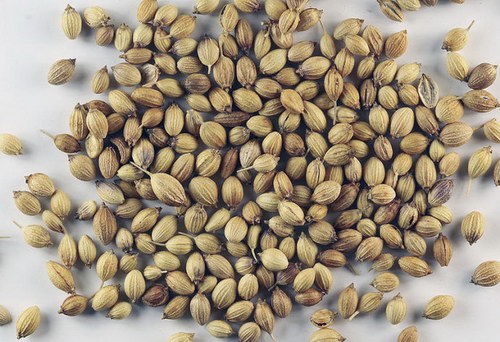 Yuan Sui Zi (Coriander Fruit)
: promote the eruption of poxes, stimulate the appetite.
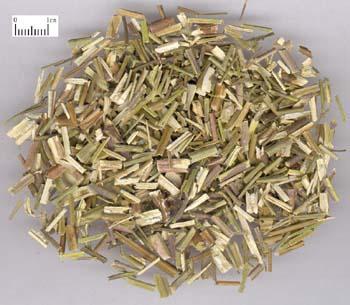 Jing Jie (Schizonepeta): Uses, Charred Form and Dose
Jing Jie (schizonepeta, Herba Schizonepetae ), recorded in the Shennong Bencao Jing . The flowering spikes are Jing Jie Sui
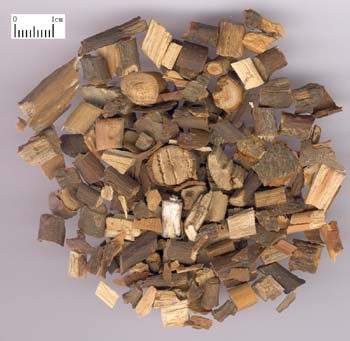 Gui Zhi (Cassiabarktree branchlet)
: induce sweating and release exterior, warm and unblock the meridians, warm and reinforce the yang qi.
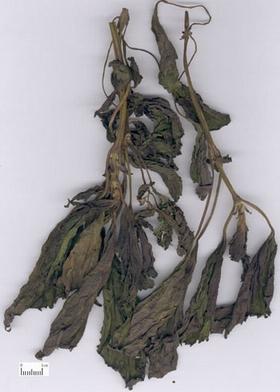 Zi Su Ye (Perilla Leaf) in TCM
Zi Su Ye (Perilla Leaf) disperses wind-cold, promotes the flow of qi and soothes the middle. It suits wind-cold exterior syndrome with qi stagnation. Do not.
Something this article did not cover?
Ask us directly. We reply within two days, and good questions become public articles.
Ask a question →