
Browse by topic
Fundamental Theory of TCM
Fundamental Theory of TCM: Chinese herbs in this class — their actions in TCM, typical uses, preparation and safety cautions.
-
 six climatic factors
Liu Yin, 六淫
The six climatic factors are pathogenic wind, pathogenic cold, pathogenic summer-heat, pathogenic dampness, pathogenic dryness and pathogenic heat (fire).
-
 Preventive Principles
Fang Zhi Fa Ze, 防治法则
Preventive principles refer to the criteria of preventing the occurrence, development and transmission of disease made in accordance with the laws of the.
-
 Yin-Yang: TCM Concept Guide
Yin Yang, 阴阳
The theory of yin-yang originated in antiquity . It is a theory dealing with the origination of the universe as well as the motion and variation of all.
-
 Pathogenesis: TCM Concept Guide
Fa Bing Ji Li, 发病机理
Pathogenesis studies how pathogenic factors affect the human body and cause disease as well as how disease develops and changes. Disease means the damage of.
-
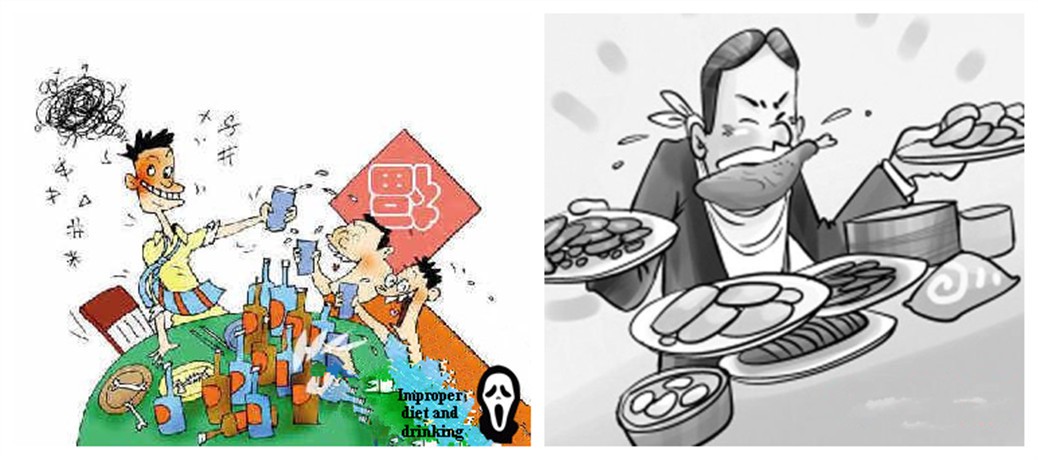 Improper Diet: TCM Concept Guide
TCM diet, starvation, overeating, five flavors, food hygiene, alcohol
Food is how the body takes in nourishment. It still has to follow a rhythm. When it does not, diet itself becomes a cause of illness.
-
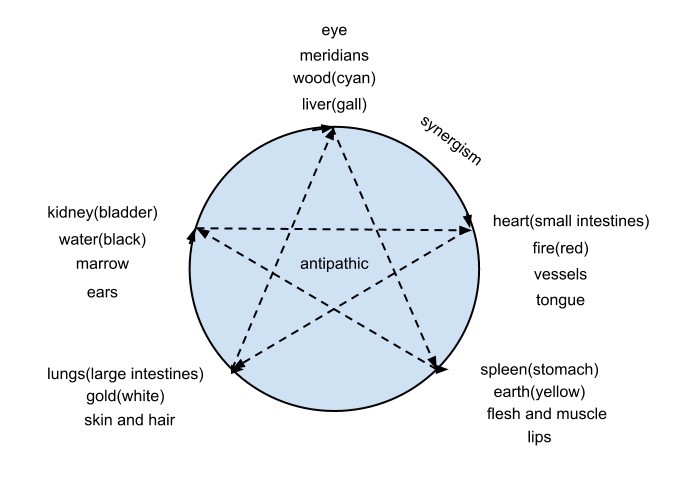 Zang Xiang Theory: TCM Concept Guide
藏象学说,藏象學說
It is first appeared in the chapter of six Sections of Discussions on Visceral Manifestation in Su Wen.
-
 The Eight Principles (Ba Gang Bian Zheng)
Ba Gang Bian Zheng, 八纲辨证
Exterior (biao) and interior (li) Exterior means the illness sits in skin, flesh and channels.
-
 Overwork and Too Much Rest
overwork, overstrain, rest, kidney essence, TCM lifestyle, mental overwork
Overwork Three forms are described: physical overstrain, mental overwork, and excessive sexual activity.
-
 The Seven Emotions: TCM Concept Guide
seven emotions, internal injury, TCM emotions, liver qi, heart spirit
What the seven emotions are In TCM the seven emotions are joy, anger, worry, overthinking (pensiveness), grief, fear and fright.
-
 Pulse Diagnosis: TCM Concept Guide
pulse diagnosis, cun guan chi, TCM four examinations, floating pulse, deep pulse
Pulse taking looks ceremonial because it is done in a set order. In TCM the pulse is not only a heart-rate count. It is read as a picture of zang-fu, qi and.